INTRODUCTION TO THE „STEAMING ACROSS BORDERS” INTERNATIONAL PROJECT
Dear international partners!
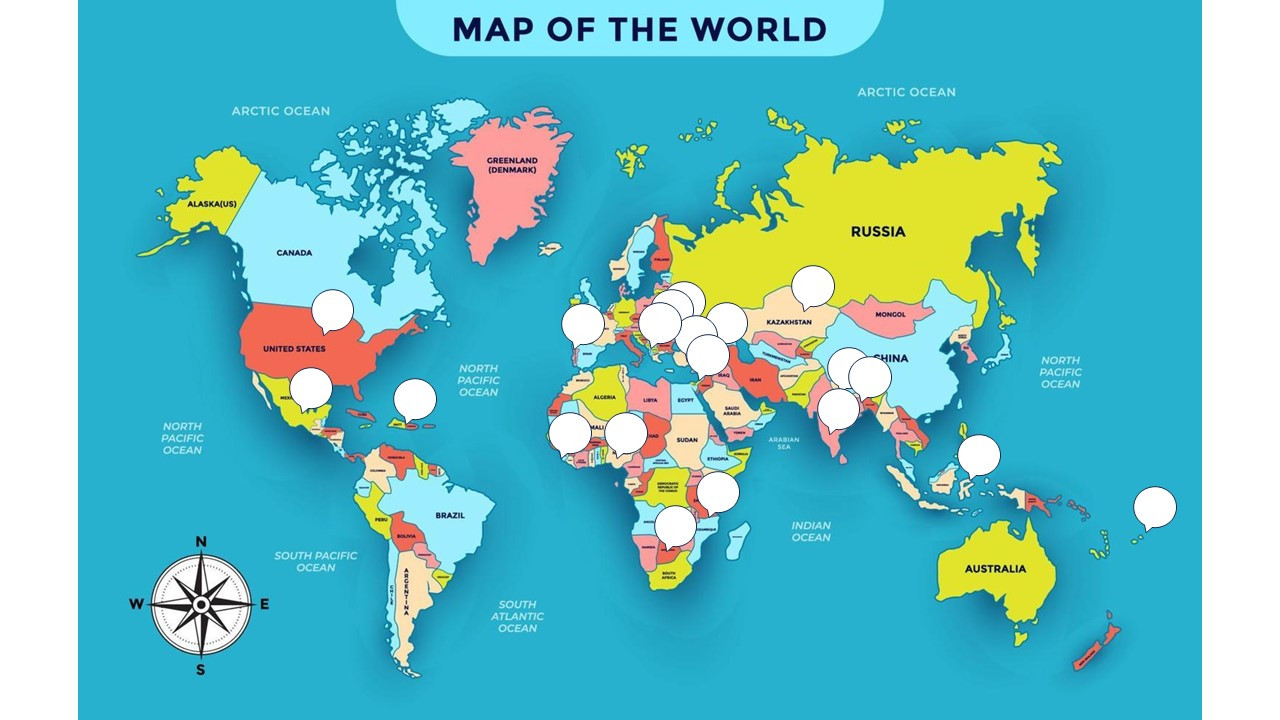
We are delighted to welcome more than 85 teachers from 20 countries across 5 continents to the STEAMing Across Borders International Project. This initiative promises to be an enriching and unforgettable journey both for you and for your students.
To help you get started, we have prepared a short introductory video. We kindly invite you to watch it carefully, then review the accompanying presentation, and feel free to reach out with any questions you may have.
We wish you an inspiring experience of international collaboration and look forward to seeing your contributions on Padlet!
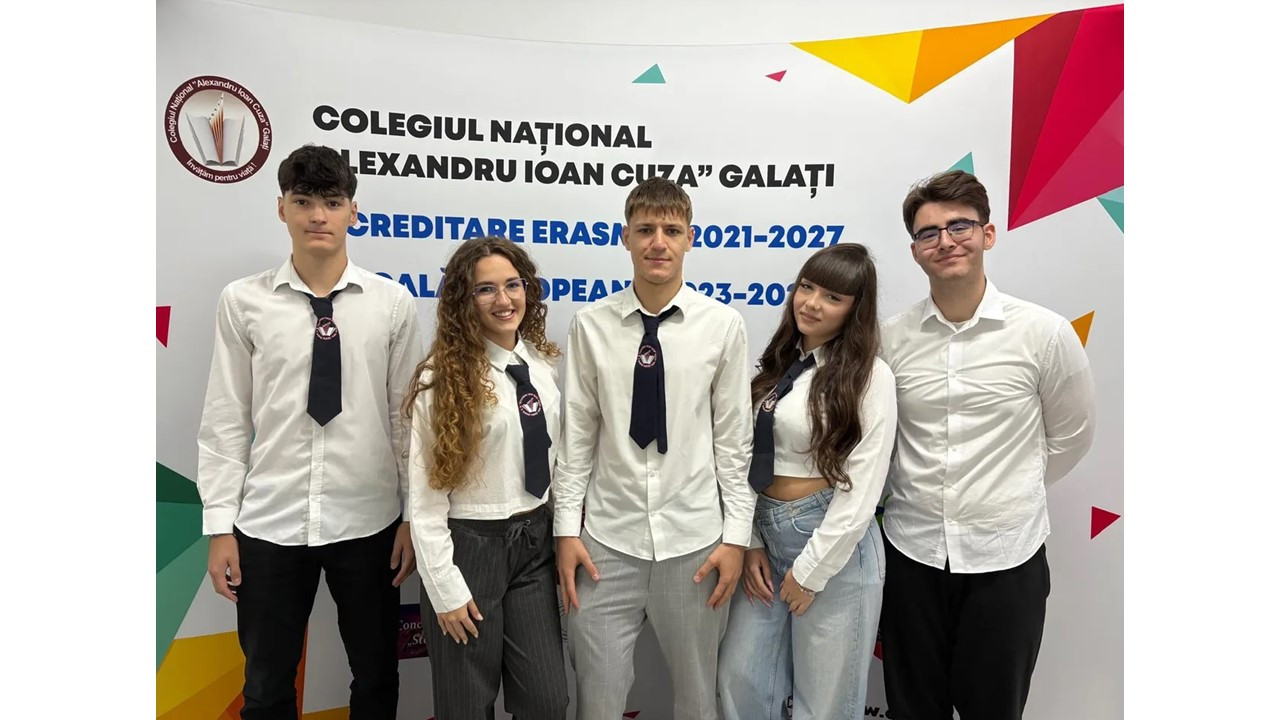
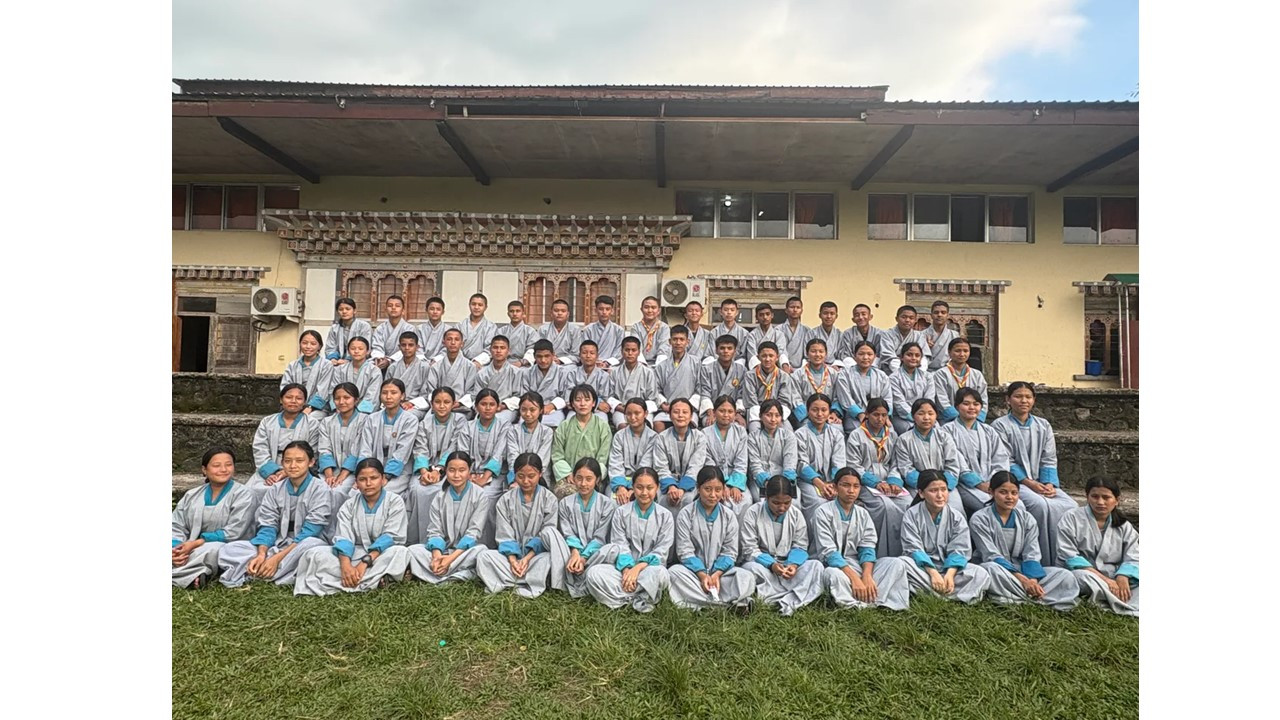
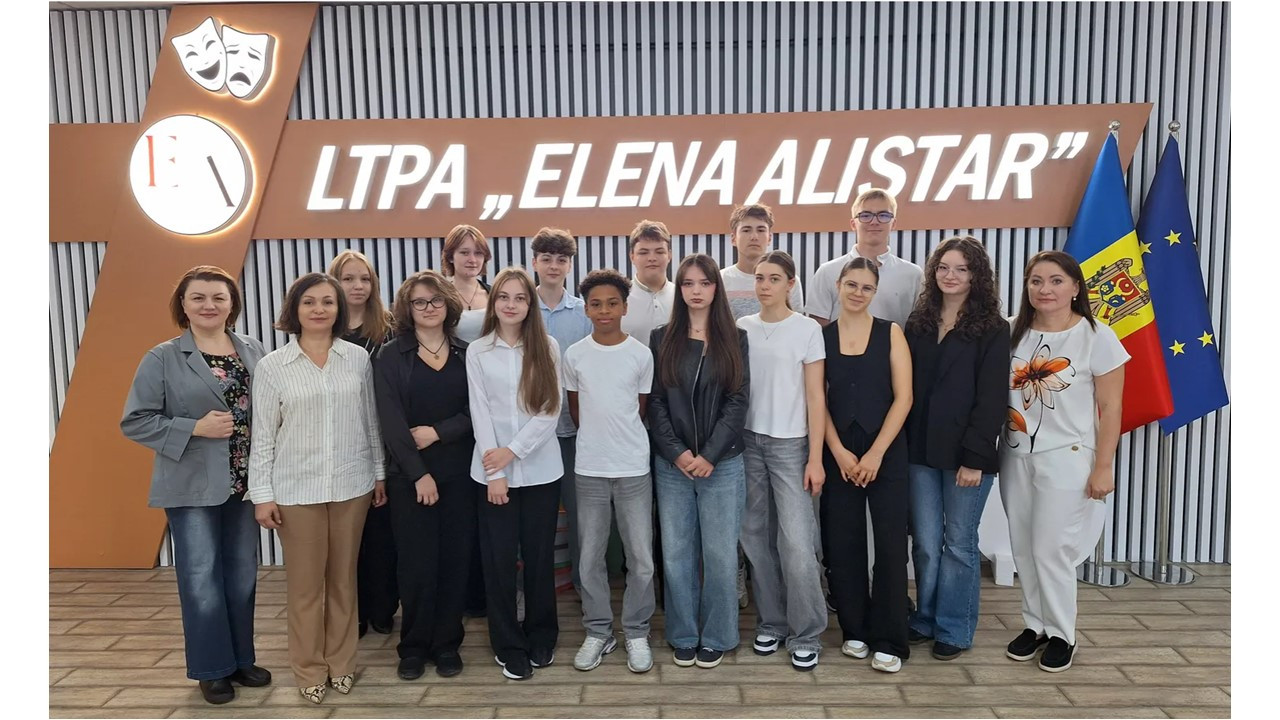
MEET OUR INTERNATIONAL TEAM
MONTHLY INSTRUCTIONAL MODULES
SEPTEMBER https://educatieinteractiva.md/fisa-interactiva/13611
OCTOBER https://
INTRODUCTORY VIDEO
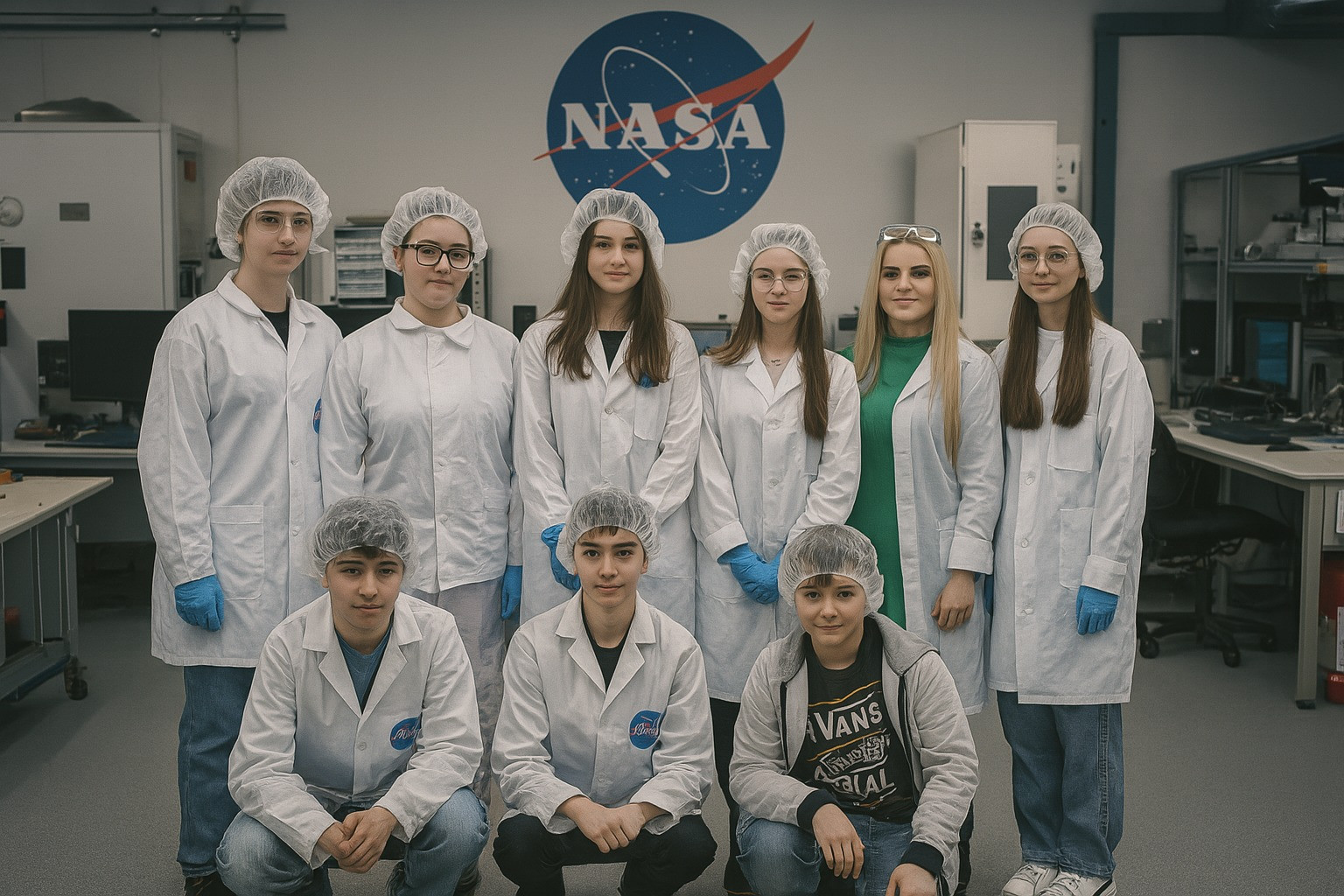
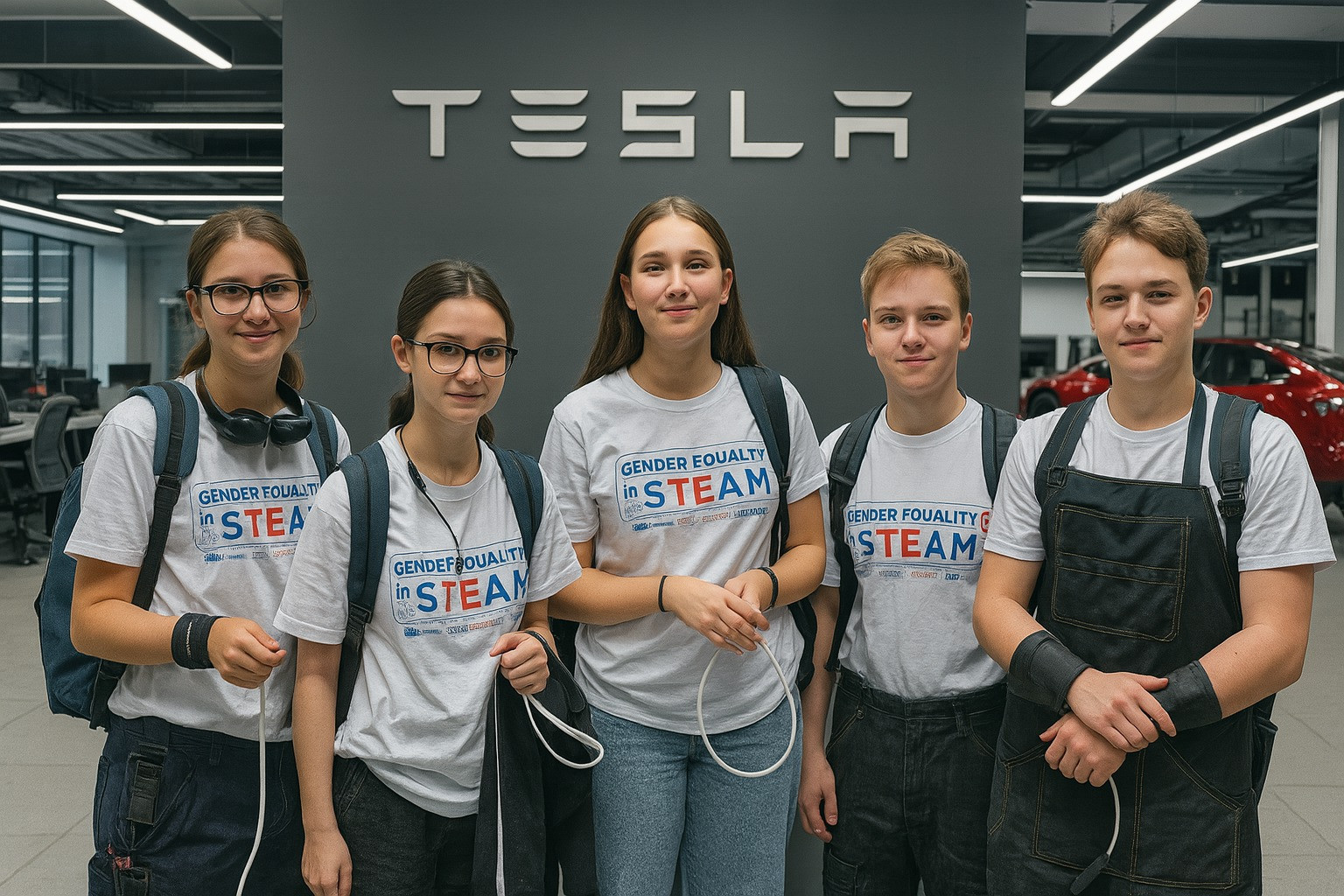
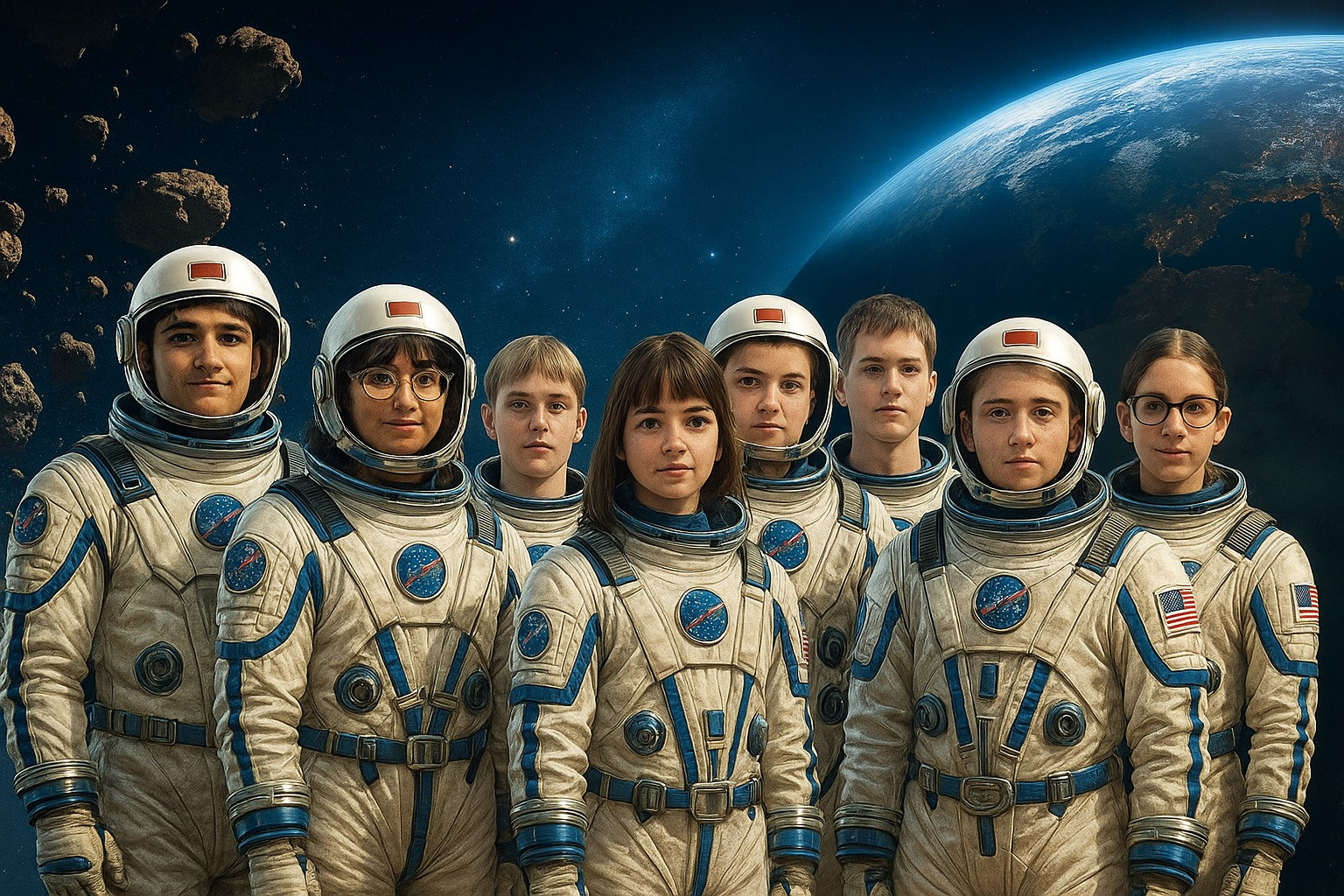
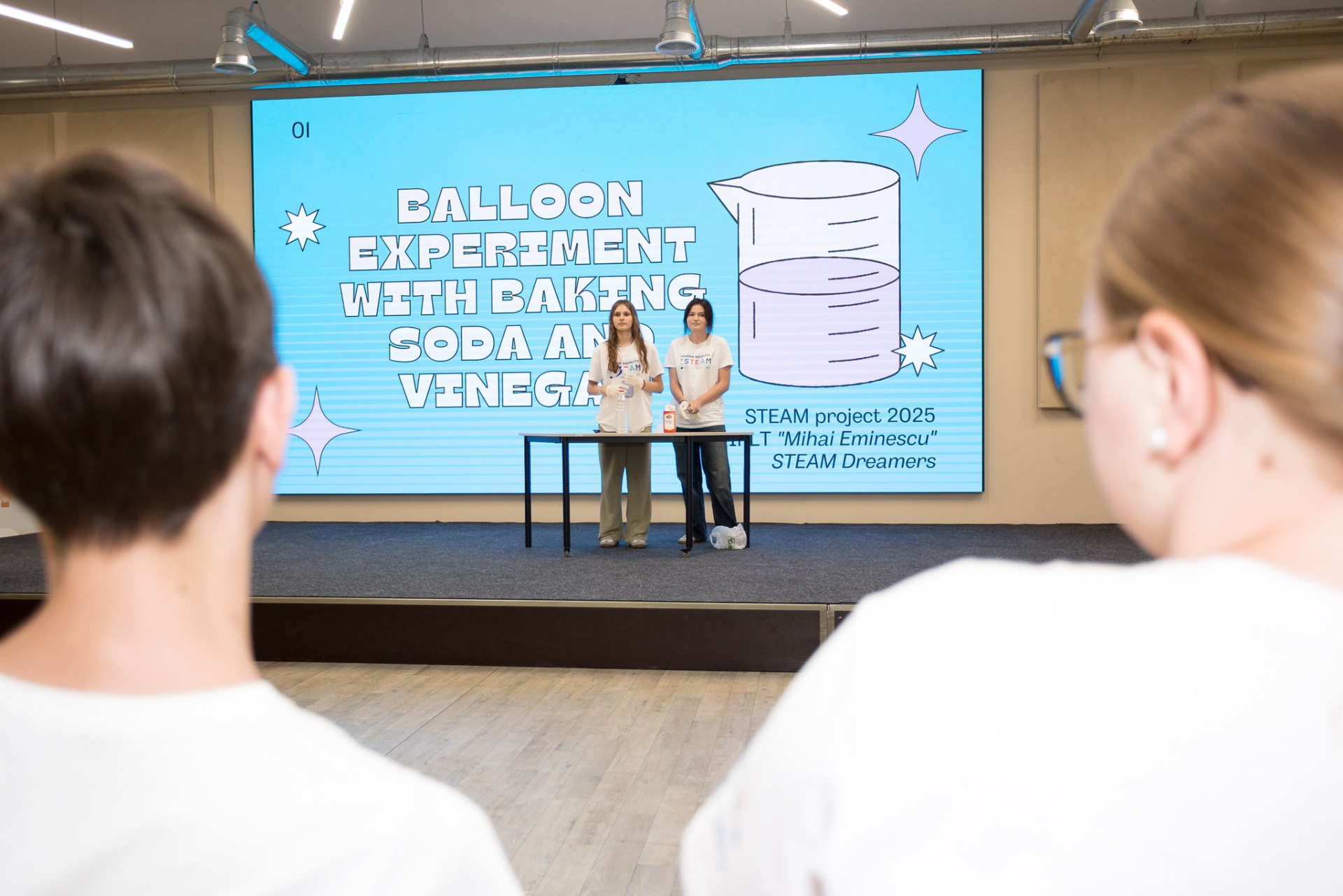
VIDEO INTRODUCTION OF OUR STEAM TEAM FROM MOLDOVA
 Project Overview:
Despite global efforts to promote gender equality in STEM fields, many young women—particularly those from underserved or rural areas—continue to face challenges such as lack of role models, limited access to hands-on experiences, and underrepresentation in technical fields. This project addresses those challenges by offering:
A monthly STEAM project module, with accompanying lesson plans, digital tools, and teacher guides;
International collaboration: Each school will be placed in a team of three schools from three different countries, working on common challenges;
A hybrid communication model (Padlet, Zoom, Google Meet), where students can interact synchronously or asynchronously;
Friendly competitions and interactive quizzes at the end of each month to share results and vote for the most creative ideas;
A final virtual exhibition to showcase all student projects globally.
Each module addresses real-life challenges and is designed to foster both scientific inquiry and creativity. Examples include:
Digital storytelling and video CV creation
Smart agriculture and local soil research
Green School design and eco-innovation
Fractals in nature and art
Water purification and environmental campaigns
3D architectural redesign of school spaces
Community data research and digital literacy
 Benefits for participating schools, teachers, and students:
 Flexible implementation: teachers can choose when and how to deliver each module Full support: all materials, guides, and lesson plans provided by the organisers Certificates for teachers: 8 international credits (240 work hours) Certificates for all participating students Global exposure: students will learn from peers across the world, develop intercultural competencies, and present their ideas on international platforms Student-friendly format: creative, stress-free competitions and inclusive engagement Open space for exchange: teachers are encouraged to adjust the teaching style, pace, and tools to match their school context
 Project Phases:
Registration – https://forms.gle/
9LN5b4eRJLTpqaTP9 Teacher Orientation – Online training for teachers to introduce the project and collaboration format
Team Formation – Schools will be grouped in international teams
Implementation (September / October 2025 – June 2026) – 9 months of STEAM modules + final virtual exhibition
SEPTEMBER https://educatieinteractiva.md/fisa-interactiva/13611
OCTOBER https://
educatieinteractiva.md/fisa- interactiva/13649 Certificate distribution and global recognition
We would be delighted to welcome your students and educators to this empowering international learning experience. Should you have any questions or require further information, please do not hesitate to contact us at academiaaise@gmail.com
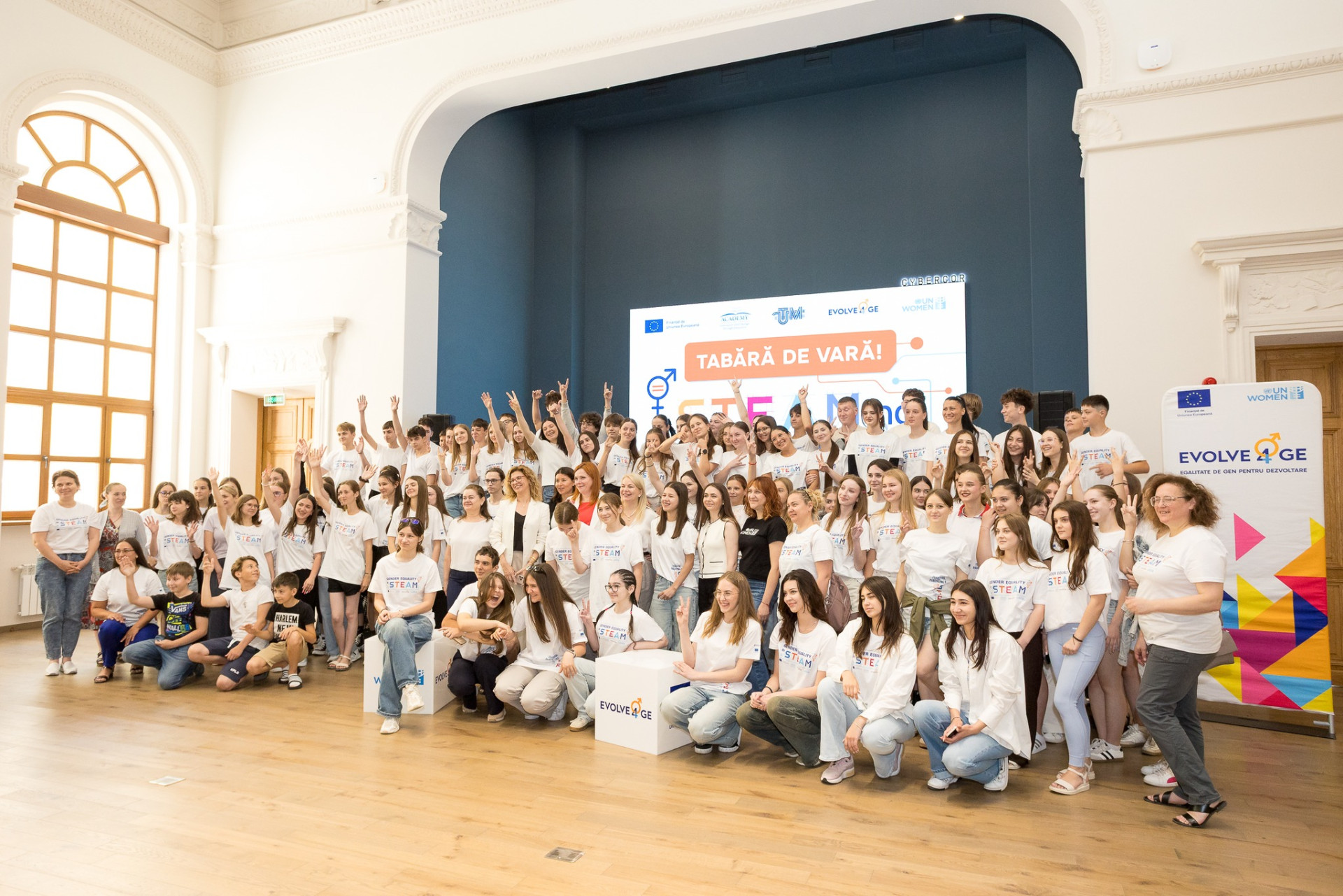
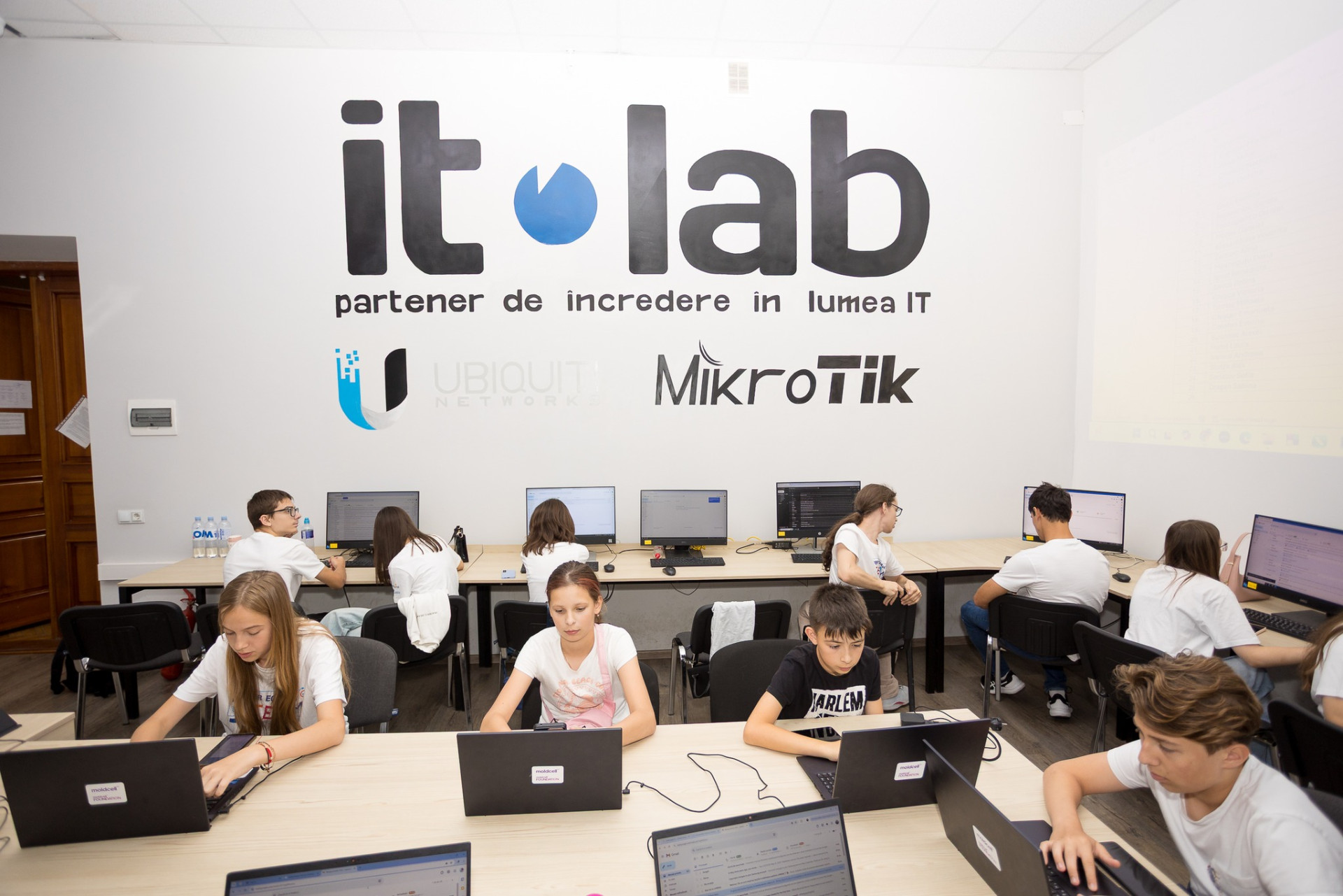
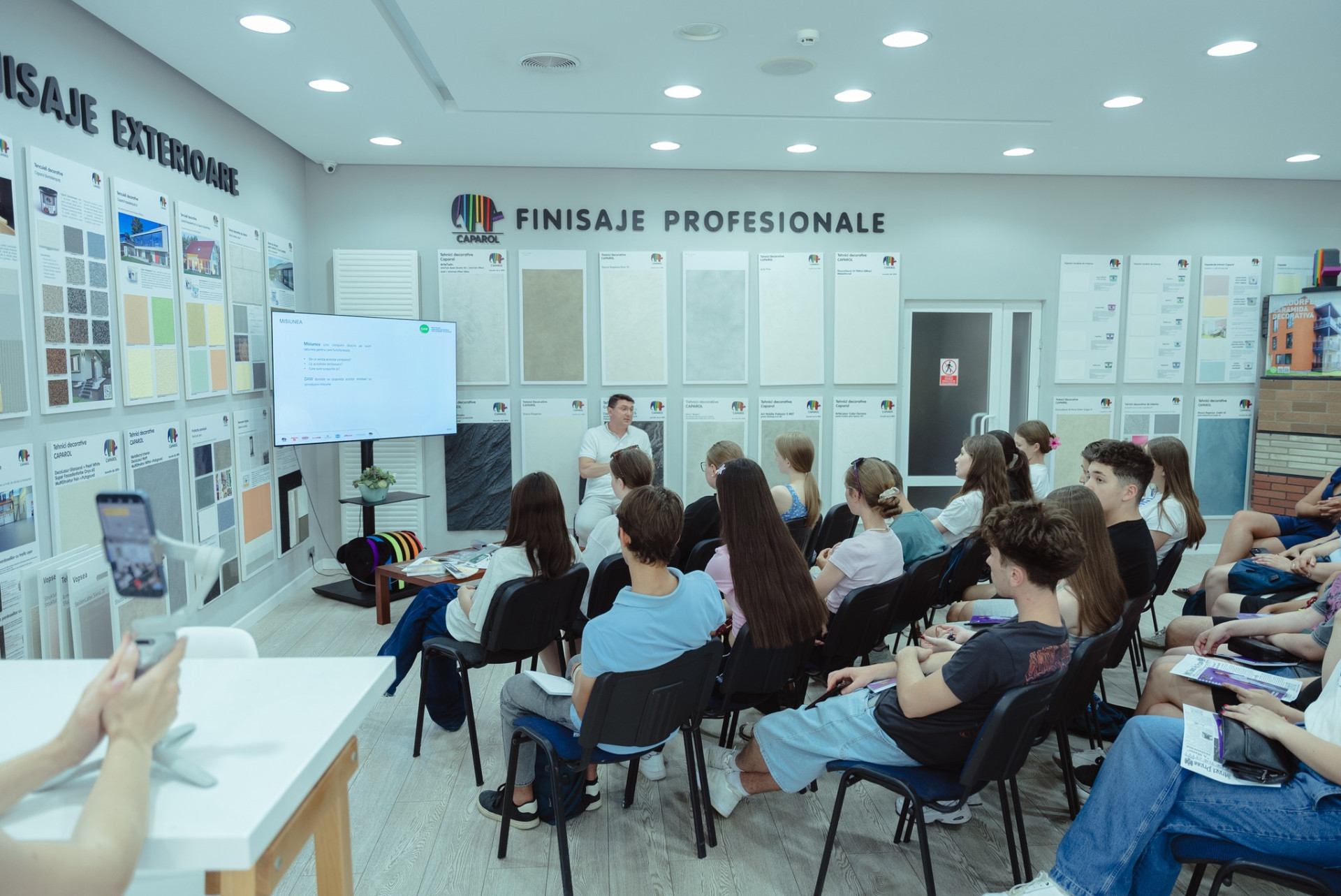
Summary of Practical Student Tasks
Through their participation, students will not only learn concepts but create tangible outputs that combine science, technology, creativity, and social responsibility. Their main tasks will include:
-
Digital Storytelling & Communication
Students will design and edit short digital stories or video CVs (2–3 minutes) using tools such as CapCut, Filmora, or DaVinci Resolve. They will practice narrative structure, video editing, and authentic self-presentation. -
Problem-Solving with Data and Algorithms
Teams will identify real community issues (e.g., energy use, pollution, digital habits), collect and analyze data, and design simple algorithms or visual simulations to propose solutions. They will produce a Digital Innovation Report with findings, recommendations, and visual presentations. -
Scientific Investigation & Prototyping
Students will conduct soil testing (pH, humidity, texture, temperature), interpret results using digital tools (Google Earth, SoilGrids, Tinkercad), and design prototypes of smart greenhouses adapted to local conditions. Each team will create a mini greenhouse model and a multimedia presentation. -
Eco-Innovation in Schools
By analyzing their school environment, students will propose practical eco-friendly solutions (vertical gardens, recycling zones, rainwater collectors). They will design 3D models of interventions and present them through posters, simulations, and videos in a “Green School” exhibition. -
3D Architectural Design
Students will reimagine school spaces using Energy3D, Tinkercad, and SketchUp. They will create 3D architectural proposals and virtual tours, showcasing their vision of a sustainable and innovative “school of the future.” -
Fractal Art & Mathematics
Learners will explore fractals in nature and art, generate their own fractal-based artworks (digital and manual), and exhibit original STEAM artworks combining math and creativity. -
Water Quality & Eco-Engineering
Students will test water quality through simple experiments, design and build water filters with accessible materials, and launch local awareness campaigns supported by digital videos, flyers, and infographics. -
Data Literacy & Research Projects
Acting as “data detectives,” students will conduct surveys on real issues (health, digital use, lifestyle), analyze results with Google Sheets or Excel, and create infographics, research reports, and awareness videos with evidence-based recommendations.
Key Outcome
By the end of the project, each student team will have a portfolio of real-world outputs:
-
videos, infographics, posters, 3D models, scientific prototypes, community reports, awareness campaigns, and artworks.
These products will be shared in virtual exhibitions, competitions, and cross-border exchanges, ensuring that students not only acquire STEAM skills but also apply them to real problems and present them to wider audiences.