
INTRODUCTORY MODULE: WHAT IS STEAM AND HOW DOES IT WORK IN REAL WORLD?
TASK 1: WHAT COMES TO YOUR MIND WHEN ...?
Ask your students what comes to their mind when... :
- you hear the word STEAM?
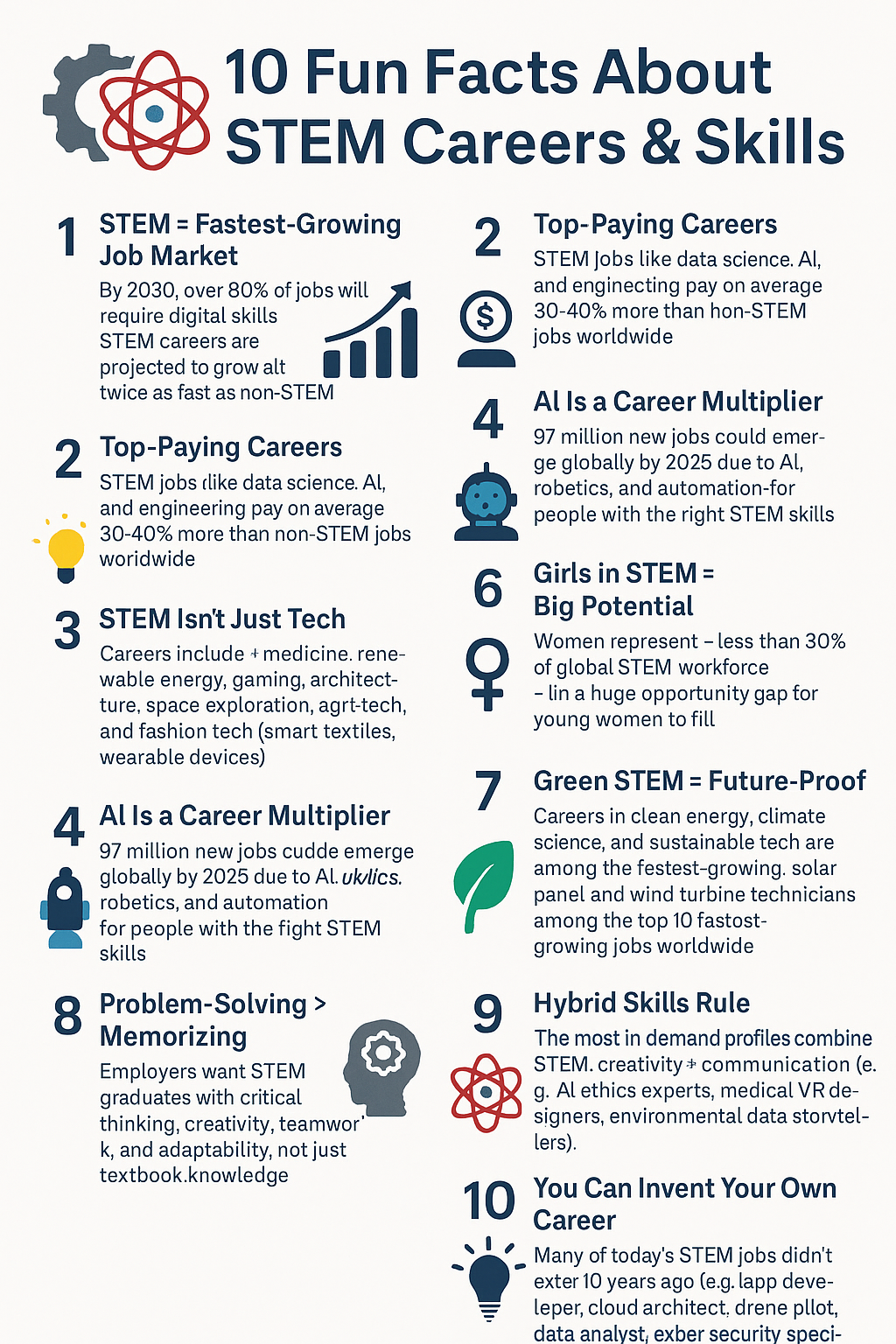
- you read these fun facts?
(Variation: The teacher may print and display these fun facts on sheets of paper placed strategically around the classroom. Students are then invited to circulate through the room, select the fact they find most engaging, and position themselves beside it. This is followed by a structured group discussion, during which each student articulates their perspective and personal reflections on the chosen fact.)
By 2030, over 80% of jobs will require digital skills. STEM careers are projected to grow almost twice as fast as non-STEM jobs.
STEM jobs (like data science, AI, and engineering) pay on average 30–40% more than non-STEM jobs worldwide.
97 million new jobs could emerge globally by 2025 due to AI, robotics, and automation, but only for people with the right STEM skills.
Currently, women represent less than 30% of the global STEM workforce — meaning there’s a huge opportunity gap for young women to fill.
Jobs in aerospace engineering, satellite technology, and space tourism are growing as companies like SpaceX, NASA, and Blue Origin expand.
Careers in clean energy, climate science, and sustainable tech are among the fastest-growing. For example, solar panel and wind turbine technicians are among the top 10 fastest-growing jobs worldwide.
The most in-demand profiles combine STEM + creativity + communication (e.g., AI ethics experts, medical VR designers, environmental data storytellers).
Many of today’s STEM jobs didn’t exist 10 years ago (e.g., app developer, cloud architect, drone pilot, data analyst, cyber-security specialist). The same will be true for the next 10 years — students today may work in fields not even invented yet!

TASK 2: Are You a True STEAM Explorer? 🔬🎨💡
Ready, Set, Quiz! 🎮
Jump into our KAHOOT challenge and put your STEAM knowledge to the test. Who will score the highest? Who will surprise the group with hidden genius?-
Share Your Discoveries 🧭
After the quiz, write down or shout out:-
One new fact you learned.
-
One thing that surprised you most.
-
-
Big Question for the Group 💭
Why do you think STEAM is such an amazing mix of science, creativity, and problem-solving?-
Is it because it explains the world around us?
-
Or because it lets us invent new worlds?
-
✨ Bonus Fun: Make up your own STEAM trivia question and challenge your classmates!
ASK 3: The Great STEAM Team Challenge! 🧩🚀
Form Your Crew 👩🔬👨🎨👩💻
Split into teams and get ready for a hands-on adventure! You can do this in class or at home with friends or family.Pick Your Mission 🔗
Head over to this link: Science Buddies Challenge
Choose one challenge that excites your team the most (build, test, design, experiment — your choice!).Play & Compete 🏆
Complete the challenge and see who gets the coolest result. Examples:Tallest tower 🌆
Strongest bridge 🌉
Fastest contraption 🏎️
Debrief With Your Team 💡
Which STEAM superpowers did you use? (creativity, problem-solving, coding, engineering tricks, teamwork…)
How could these same skills help in real-world projects like building eco-houses, designing apps, or exploring space?
✨ Record and post on Padlet: Record a short 1-2 minute video demo of your creation and post it on Padlet to share it with your team.
Extra applause for the most creative presentation! 🎥👏
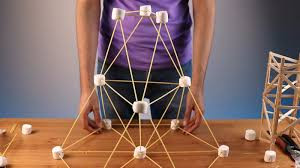
The Marshmallow Challenge
-
Materials: Uncooked spaghetti, tape, string, marshmallows.
-
Task: Build the tallest or strongest dome/structure.
-
STEAM Link: Geometry, structural engineering, team creativity.
Link to instructions:

Paper Bridge Challenge
-
Materials: Paper sheets, tape, coins/small weights.
-
Task: Build the strongest bridge between two desks using only paper and tape.
-
STEAM Link: Engineering (load distribution), math (geometry), design thinking.
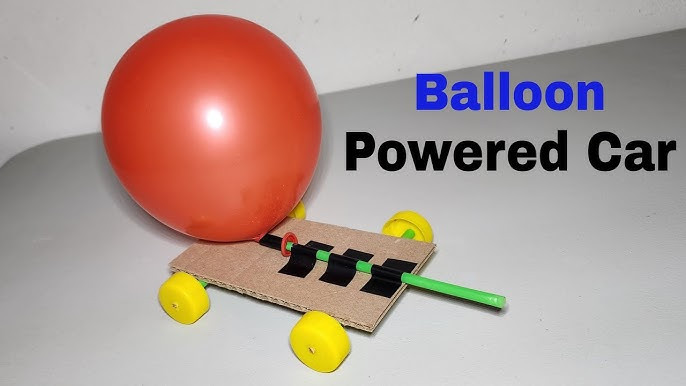
Balloon-Powered Car
-
Materials: Balloons, straws, bottle caps, cardboard.
-
Task: Build a car that moves the farthest using only the air from a balloon.
-
STEAM Link: Physics (forces, propulsion), engineering (design & testing), creativity.
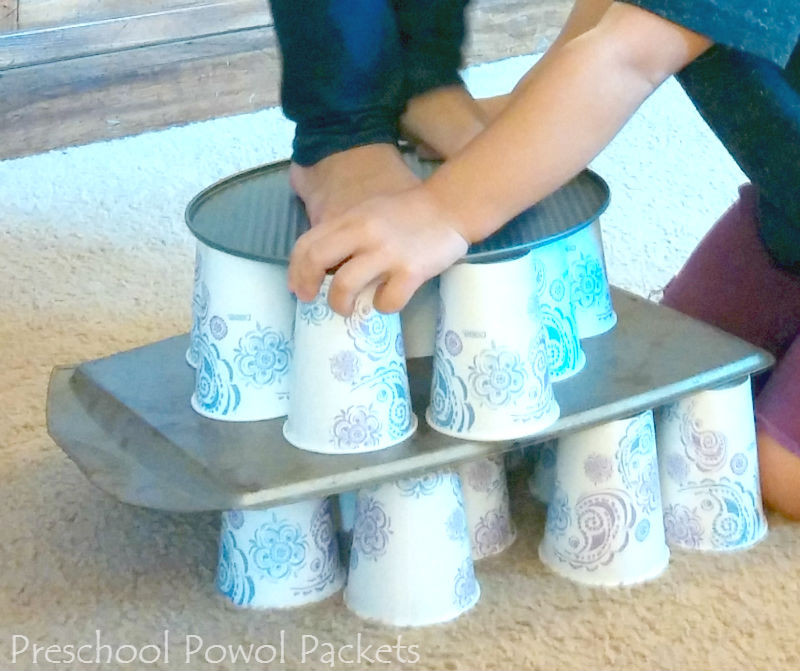
Tower of Cups (Blindfolded/No Hands)
-
Materials: Plastic cups, rubber bands, string.
-
Task: In teams, stack cups into a pyramid using only the rubber band + string contraption, no hands touching the cups directly.
-
STEAM Link: Collaboration, problem-solving, engineering process.
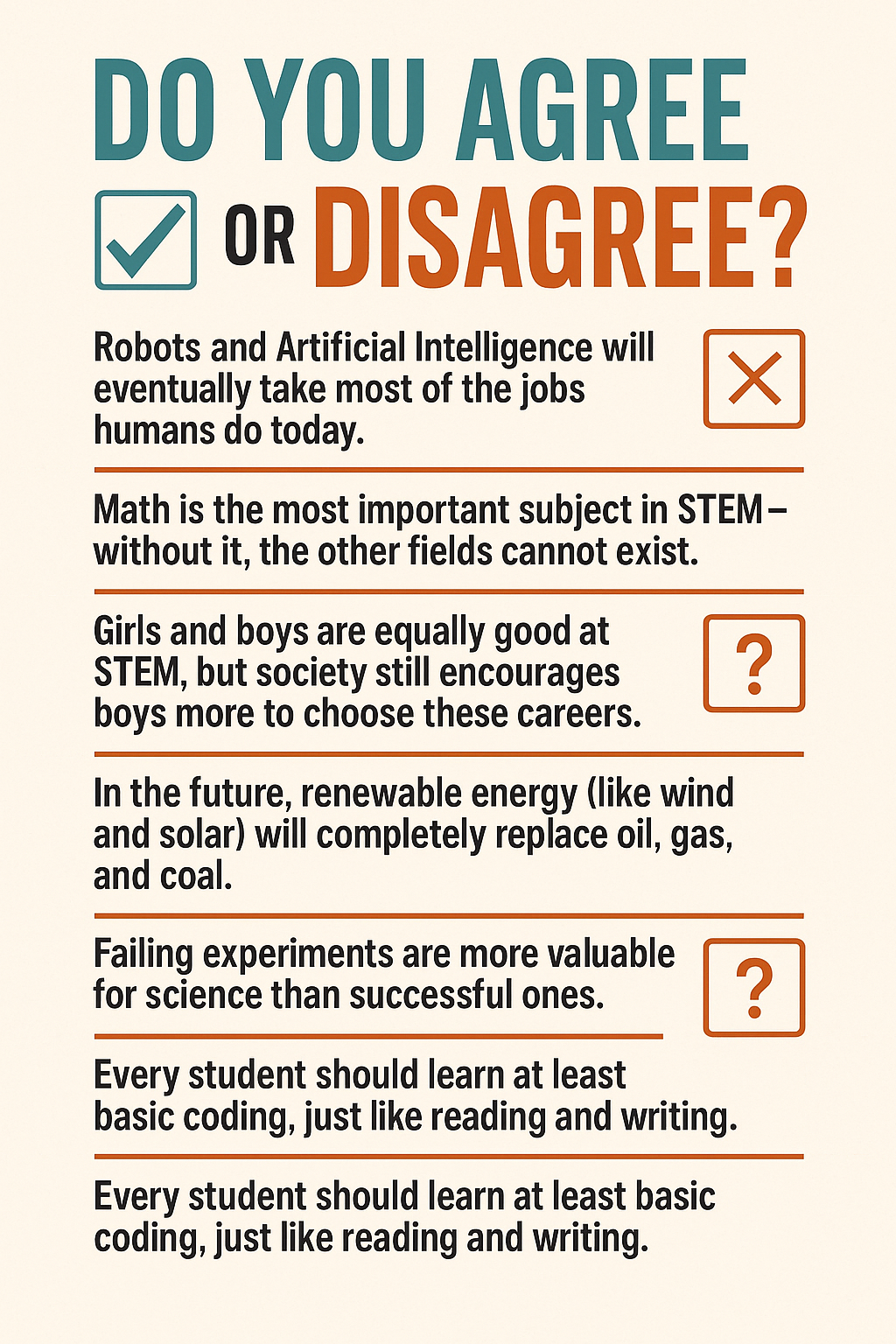
TASK 4: AGREE OR DISAGREE
Do you agree or disagree? Why? Give arguments.
“Robots and Artificial Intelligence will eventually take most of the jobs humans do today.”
“Math is the most important subject in STEM — without it, the other fields cannot exist.”
“Girls and boys are equally good at STEM, but society still encourages boys more to choose these careers.”
“In the future, renewable energy (like wind and solar) will completely replace oil, gas, and coal.”
“Failing experiments are more valuable for science than successful ones.”
“Every student should learn at least basic coding, just like reading and writing.”
STEM is not only about coding or labs — it’s about curiosity, problem-solving, and building the future across every industry.
TASK 5: STEAM in Action – The Burj Khalifa Challenge 🌍✨
Spotlight on a Giant 🏗️
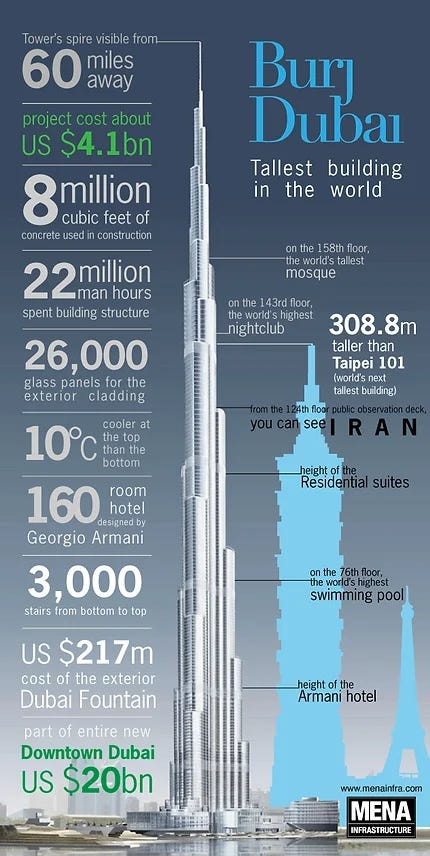
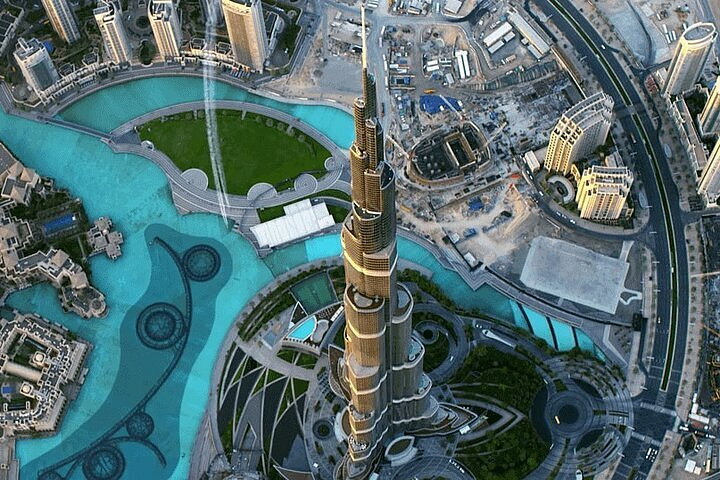
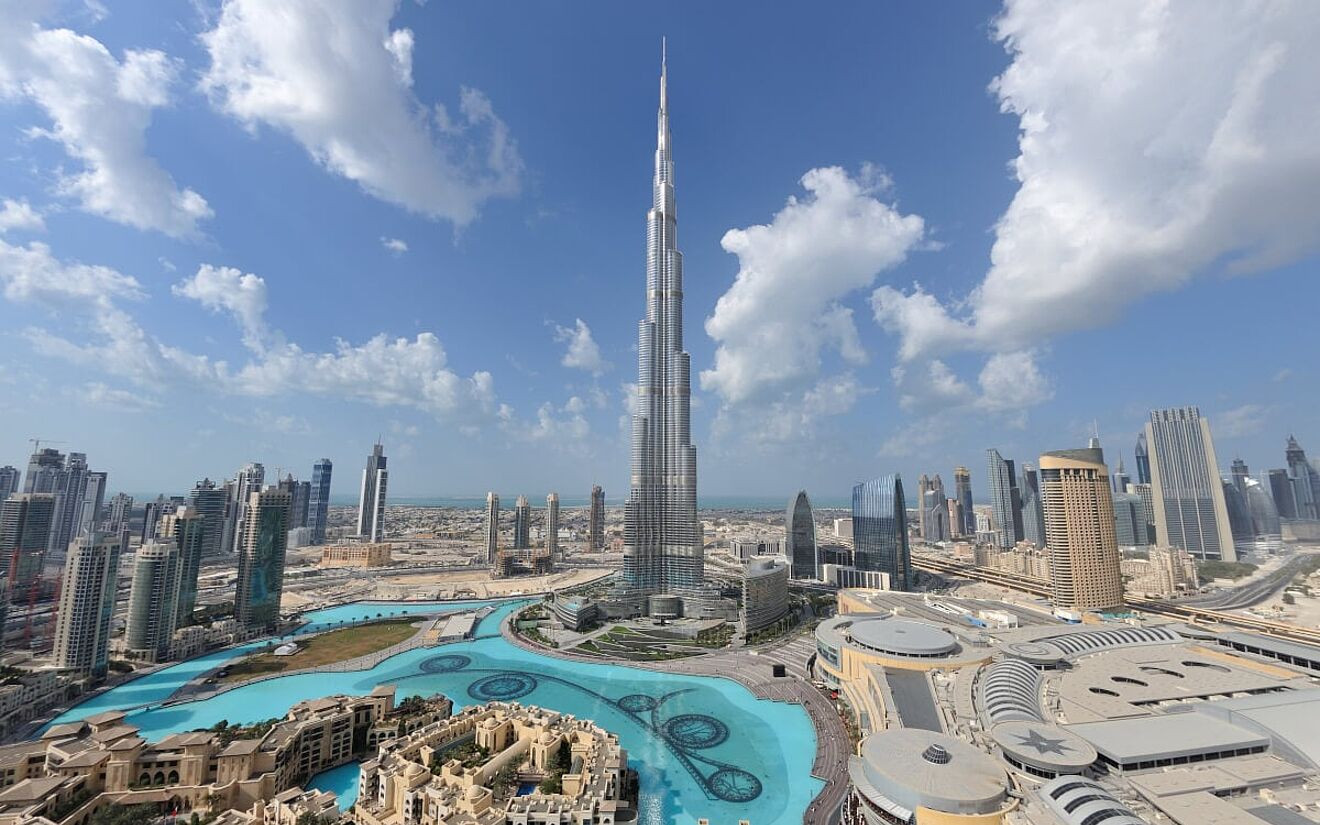
Meet the Burj Khalifa — the tallest building in the world!
It’s not just a skyscraper, it’s a STEAM superhero that mixes Science, Technology, Engineering, Art, and Math to reach the clouds.-
Fun Fact Flash 💡
Did you know the Burj Khalifa is 828 meters tall (that’s like stacking 3 football fields on top of each other)? Or that its design was inspired by a desert flower 🌸? -
Your Mission 🎯
-
In teams, list which STEAM skills were needed to build it.
-
Guess: which part was the hardest — the engineering of its height, the math of wind resistance, or the art of its design?
-
-
Creative Twist 🎨
Imagine you’re architects of the future. Sketch or describe a fantasy building for your city that uses STEAM.-
How tall?
-
What special features (eco-friendly, AI-powered, futuristic design)?
-
-
Share & Compare 📢
Each group presents their idea in 1 minute. The class votes for:-
“Most Creative Design” 🌈
-
“Most Likely to Be Built” 🛠️
-
“Coolest Use of STEAM” 🔬
-
✨ Bonus: Each team shares one surprising fact about another mega-structure around the world.
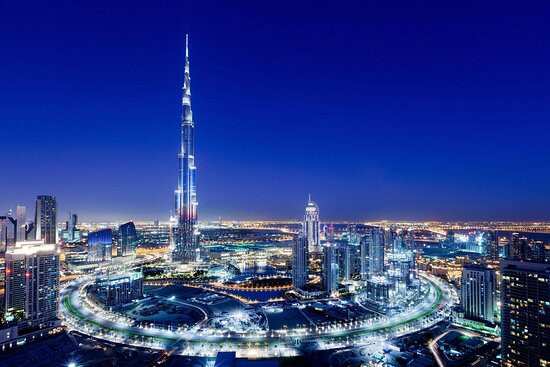

You can watch the sunset twice
Because the building is so incredibly tall, you can watch the sun set from a lower floor, and then take the elevator up to one of the higher floors (like the observation deck) and watch it set again. This is due to the different angles and the curvature of the Earth.
The amount of concrete used is staggering
The construction of the Burj Khalifa required 330,000 cubic meters of concrete, which is enough to build a sidewalk from Dubai to Cairo. The total weight of all that concrete is equivalent to about 100,000 elephants!
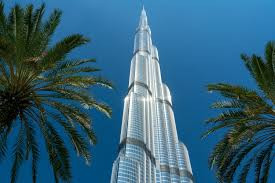
A "vertical city" with everything inside
The Burj Khalifa isn't just an office building or a hotel. It's a mixed-use skyscraper that's essentially a small city in itself. It contains residential apartments, corporate suites, a hotel, restaurants, and even a library.
Hollywood's favorite skyscraper
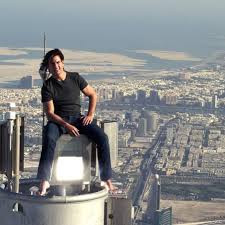
The Burj Khalifa has been a setting for several record-breaking feats, both real and fictional. Most notably, actor Tom Cruise famously performed his own stunts, including scaling the building's exterior, for the film Mission: Impossible – Ghost Protocol.
TASK 6: WATCH AND DISCOVER
- Watch the video.
- Discuss it with your students.
- Encourage them to make notes of the most fascinating facts.
- What do the following numbers / words refer to?
(Video 1 for elementary level students and Video 2 for more advanced students)
VIDEO 1 by Gulf News
· January 2010
· 103,000
· spirit of global harmony
· one minute
· firework display
· Dh200,000 a year (USD 54,000 per year)
· April 27, 2010
· 555 metres high
· At.mosphere
VIDEO 2 by National Geographic
· half a mile
· global city
· unsuitable
· toughest
· 2003
· calcisiltite
· sandy environment
· 8 million tons
· 28 tennis courts
· 40-50 millimeters
· 194
· hundreds of thousand of dollars
610 m
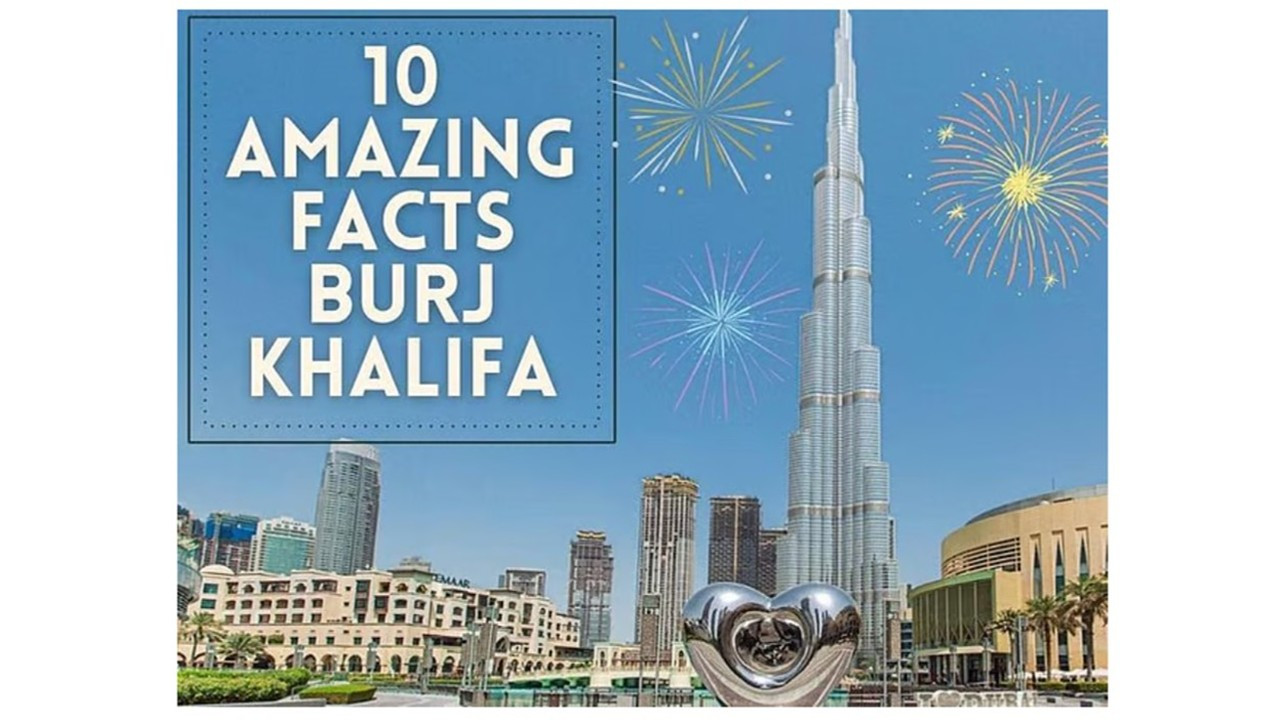
Burj Khalifa: 10 Amazing facts about the world’s tallest building
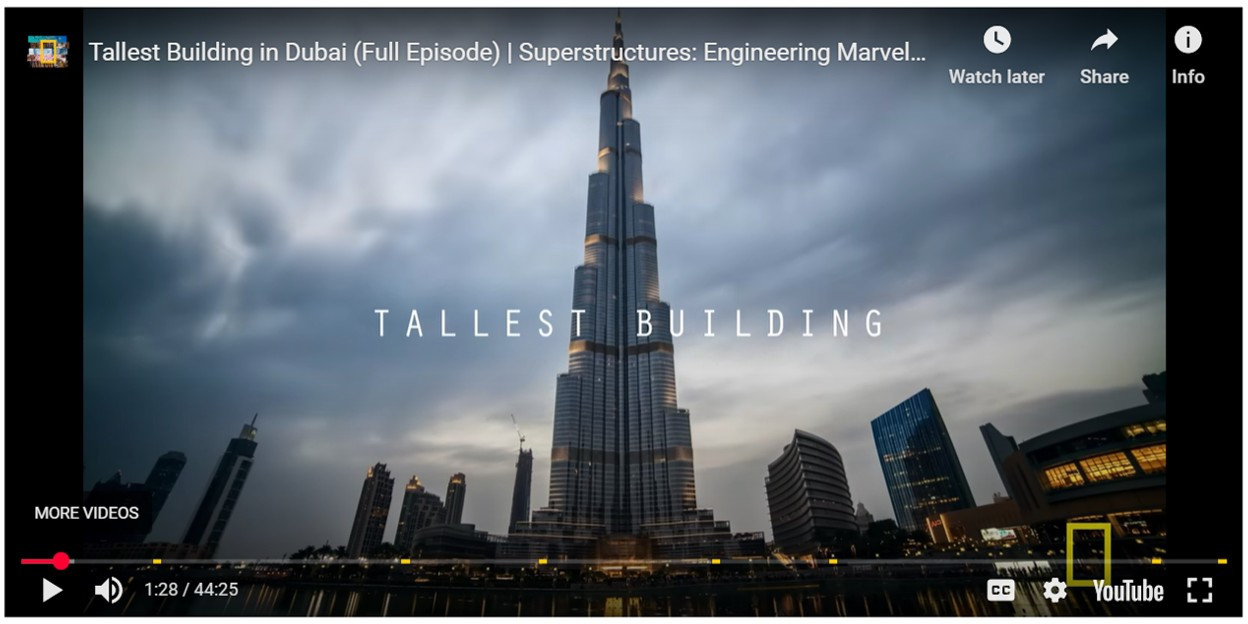
Tallest Building in Dubai: Superstructures: Engineering Marvels, National Geographic
TASK 7: WORK IN TEAMS TO EXPLAIN THE STEAM COMPONENTS OF BURJ DUBAI PROJECT
- The Burj Khalifa, originally known as the Burj Dubai, is a masterpiece of modern design and construction that flawlessly integrates the principles of STEAM. Standing as the world's tallest building, it is a testament to human innovation across all five disciplines.
- Work in 5 teams.
- Explain how these sciences were reflected in the building via a poster.
- Present your poster to your colleagues. Use the internet for additional details.
- If you use ChatGPT, make sure your double-check the facts from reliable resources :)
Mathematics 📐
Mathematics is the foundation of the tower's design. The spiral shape that defines the building's profile is a precise mathematical progression. Each of the three sections of the tower steps back in an ascending spiral pattern, which reduces the building's mass as it rises. This mathematical precision was crucial for minimizing the wind's effect on the structure. The design and construction required millions of complex calculations to ensure stability and structural integrity.
Science 🔬
The science behind the Burj Khalifa is centered on its materials and environmental systems. High-performance concrete was developed to withstand the immense pressure of the structure, and its composition allows it to handle the extreme temperatures of the desert. The building also uses a sophisticated "stack effect" ventilation system, which leverages the natural pressure difference caused by the building's height to draw cool air in and push hot air out.
Technology 💻
The tower is a hub of technological advancement. It features the world's highest and fastest double-deck elevators, which travel at up to 10 meters per second. The building's exterior is clad in over 26,000 glass panels, each treated with a reflective thermal coating to minimize heat gain and reduce the need for air conditioning, a key technology for energy efficiency.
Engineering 🏗️
The engineering of the Burj Khalifa is its defining feature. The building's unique "Y-shaped" buttressed core is a structural system designed to resist high winds and seismic forces. This innovative design allows the tower to be incredibly stable despite its height. The engineering team also developed a complex "podium slab" foundation to distribute the immense load of the building safely into the ground.
Arts 🎨
The Burj Khalifa's design is a striking work of art. The architectural form is inspired by the Hymenocallis, or Spider Lily, a desert flower whose spiraling petals are reflected in the tower's three-lobed footprint. The building's exterior is also designed with a series of setbacks that spiral upward, which not only gives it an elegant, tapering profile but also serves a crucial engineering purpose by confusing wind currents.
Pick Your Adventure 🧭
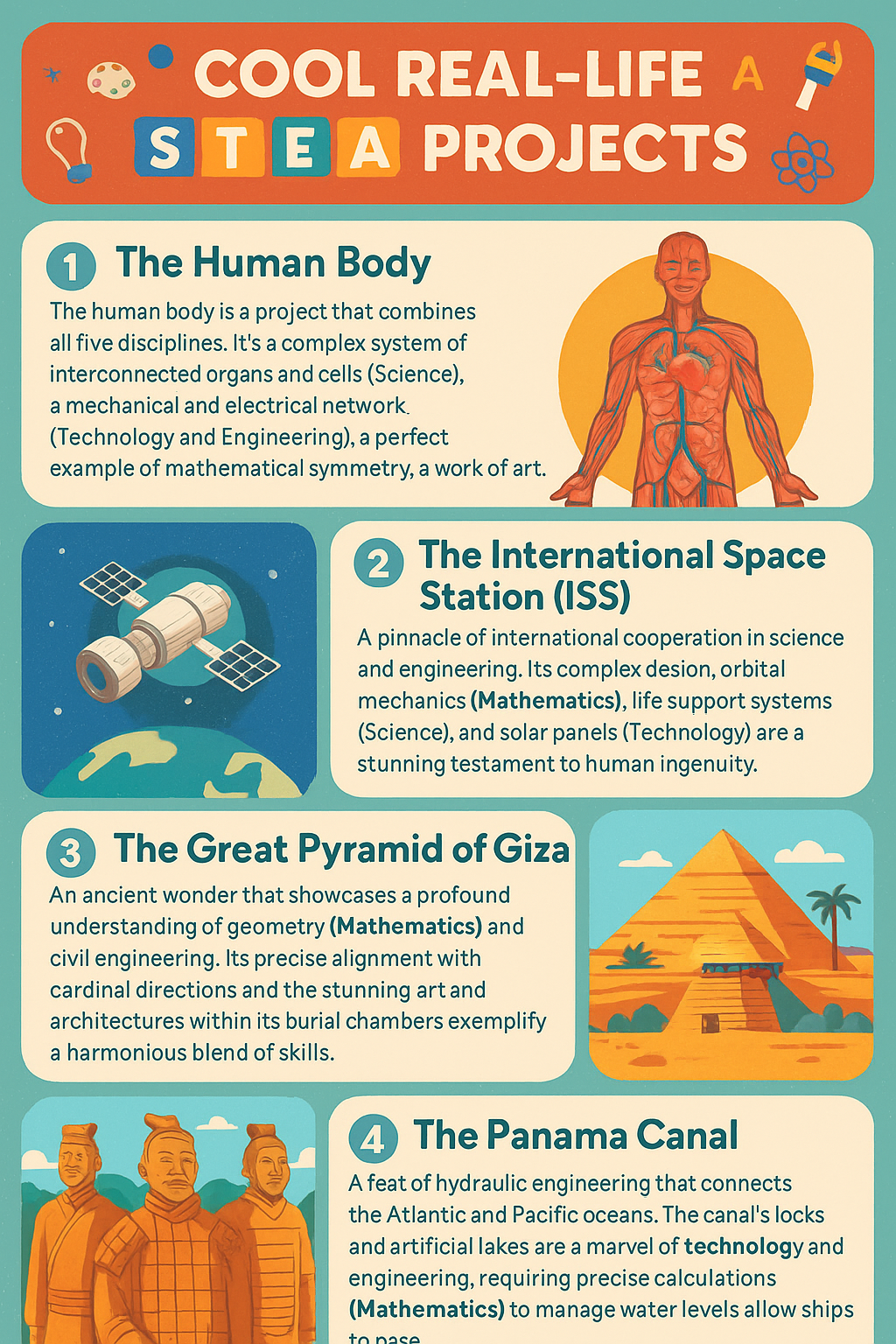
Stay in your teams and choose a fascinating STEAM project to explore.
You can pick one from our list or surprise us with your own discovery!-
🧍 The Human Body
-
🛰️ The International Space Station
-
🏜️ The Great Pyramid of Giza
-
🚢 The Panama Canal
-
🗿 The Terracotta Army
-
-
Research Like Detectives 🔍
Dig into facts, figures, and stories about your project. Look for the WOW! moments — things that will make your classmates go “No way, that’s amazing!” -
Create Your Show 🎬
Use a tool like PowerPoint, Canva, or Genially to craft a short and powerful presentation:-
Keep it under 5 minutes ⏱️
-
Add fun facts + surprising details 🤯
-
Show some cool data or numbers 📊
-
Make it clear and easy to follow 🗂️
-
End with a strong conclusion: How does this project connect to STEAM, and why should we care? 🌍
-
-
Present & Shine 🌟
Share your story with the class — keep it lively, creative, and interactive.
Bonus points for:-
Memes, GIFs, or cool visuals 🖼️
-
Quick audience questions ❓
-
A fun “Did you know…?” moment 🎉
-
✨ Extra Twist: The audience votes at the end for:
-
🎨 Most Creative Presentation
-
📚 Most Surprising Fact
-
🔬 Best Connection to STEAM
✨ Take pictures or record a short video of your presentations and post on Padlet to share them with your team.
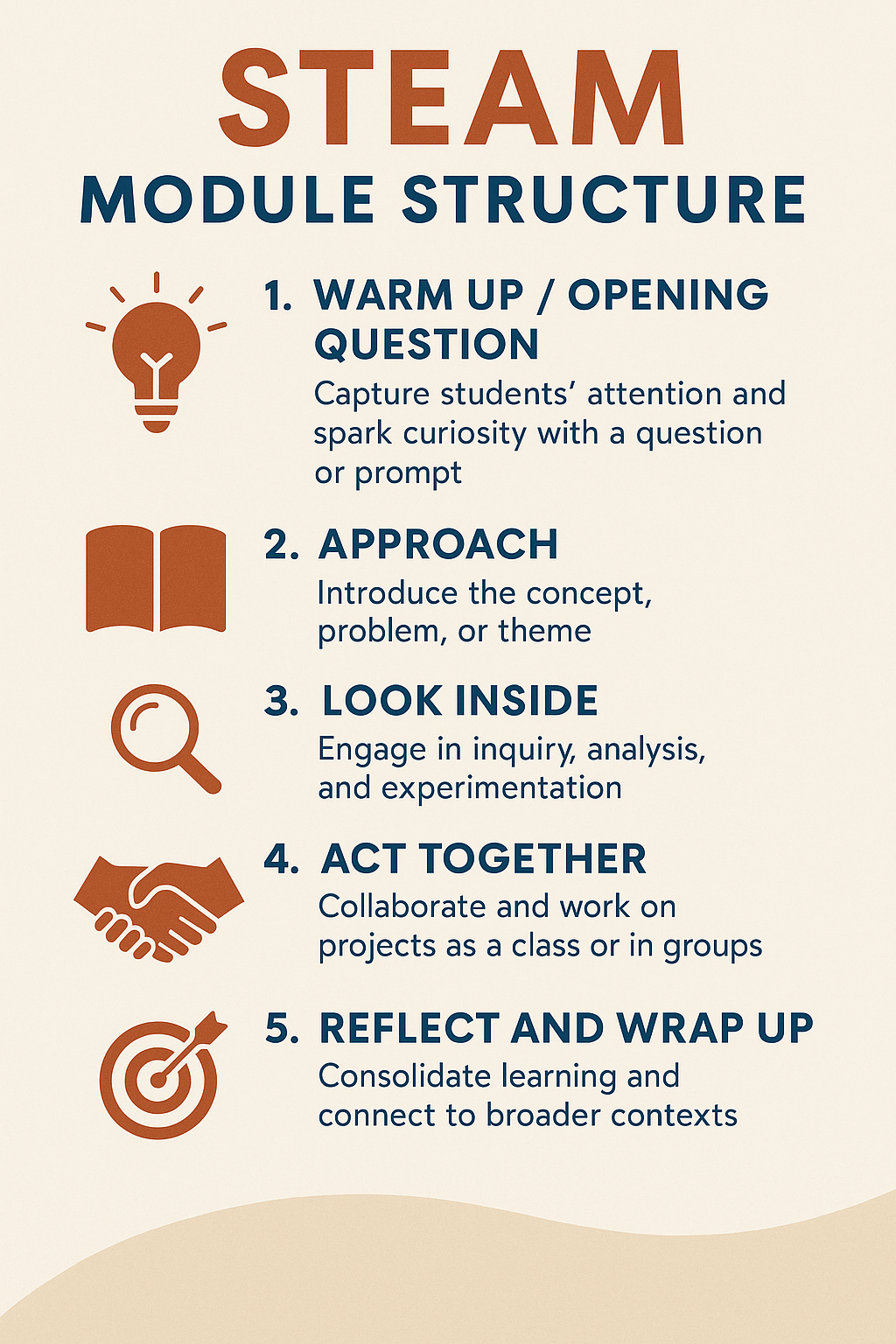
📘 STEAM Module Structure
1) Warm up / Opening Question
Purpose: Capture students’ attention, connect to prior knowledge, and spark curiosity.
-
Pose a provocative or real-world question related to the topic (e.g., “Could we live on Mars without plants?”).
-
Use a short video clip, meme, image, or poll to trigger interest.
-
Encourage students to make predictions or hypotheses.
👉 Example: In a module about renewable energy, ask: “What would happen if tomorrow all oil and coal disappeared?”
2) Approach
Purpose: Introduce the concept, problem, or theme in a structured but engaging way.
-
Present the big idea or challenge through a story, case study, or simulation.
-
Provide key facts, short readings, or demonstrations.
-
Highlight interdisciplinary links (science, technology, engineering, art, mathematics).
👉 Example: Present data on global energy consumption and introduce the challenge: “Design a sustainable city powered only by renewable energy.”
3) Look Inside
Purpose: Deep exploration of the topic — inquiry, analysis, and experimentation.
-
Organize hands-on experiments, simulations, coding tasks, or design thinking exercises.
-
Students work individually or in groups to explore the problem from different STEAM angles.
-
Teachers act as facilitators and guides, not just content providers.
👉 Example: Students test how different angles affect solar panel efficiency (Science & Math), simulate energy storage using coding tools (Technology), and design models of eco-buildings (Engineering & Art).
4) Act Together
Purpose: Collaboration, co-creation, and problem-solving.
Assign group projects that integrate skills from multiple disciplines.
Encourage brainstorming, prototyping, and teamwork.
Use tools like Padlet, Canva, Scratch, Tinkercad, or robotics kits to create a tangible outcome.
👉 Example: Groups design a prototype of a smart, sustainable house (solar-powered, water recycling system, eco-friendly materials), then present it in class.
5) Reflect and Wrap Up
Purpose: Consolidate learning, evaluate outcomes, and connect to broader contexts.
Each group or student presents their solution and reflects on what worked and what didn’t.
Use a roundtable, gallery walk, or debate for sharing.
Teachers guide reflection with questions:
What skills did you use?
What surprised you?
How could this be applied in real life?
End with a creative challenge or takeaway (e.g., a poster, infographic, or 2-minute video summary).
👉 Example: Students write one sentence on how their project contributes to the UN Sustainable Development Goals (SDGs), linking STEAM learning to global citizenship.
🔑 Key Notes for Teachers
Time management: Each stage can last 10–15 minutes depending on lesson length.
Assessment: Use both formative assessment (observation, peer feedback) and summative assessment (final project, presentation).
Flexibility: Teachers can adapt the flow for 1 lesson (45–50 minutes) or expand it into a full module (multiple sessions).
Student-centered approach: Encourage creativity, problem-solving, and agency at every step.