
OPERATION TERRA PULSE - ENVIRONMENTAL INVESTIGATION
🌍 Project Overview: "The Village/City Health Audit"
Your town/village has been selected for an international environmental audit led by National Geographic Society and Greenpeace).
Your mission: determine whether your local environment is safe for life, agriculture, and human health.” Get help from your Biology, Physics, Chemistry and Math teachers.
So this month you will become:
- 🧪 Environmental scientists
- 🌱 Ecologists
- 📊 Data analysts
- 🌍 Sustainability advisors
DRIVING QUESTION
“Is our local environment clean enough to support healthy life?”
Sub-questions:
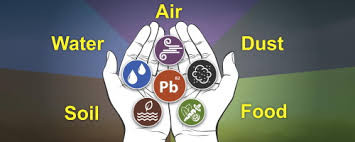
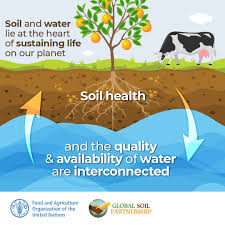
- Is the water safe to drink and use in agriculture?
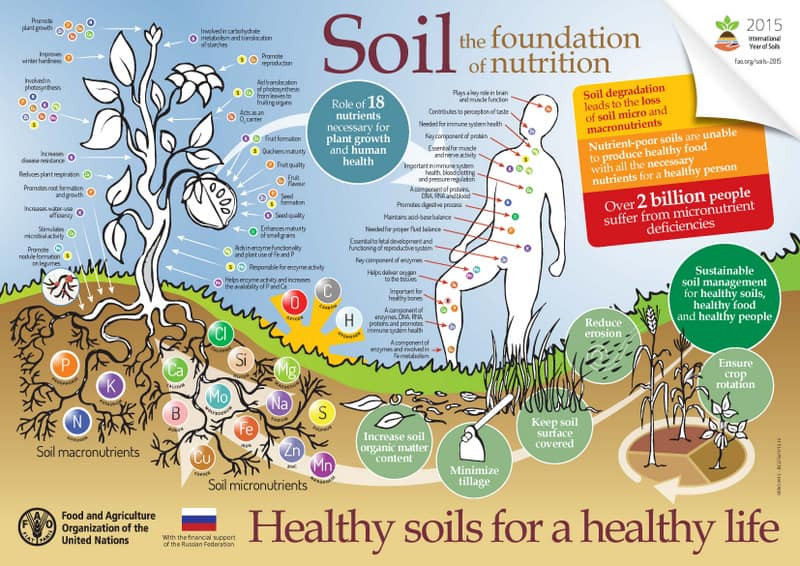
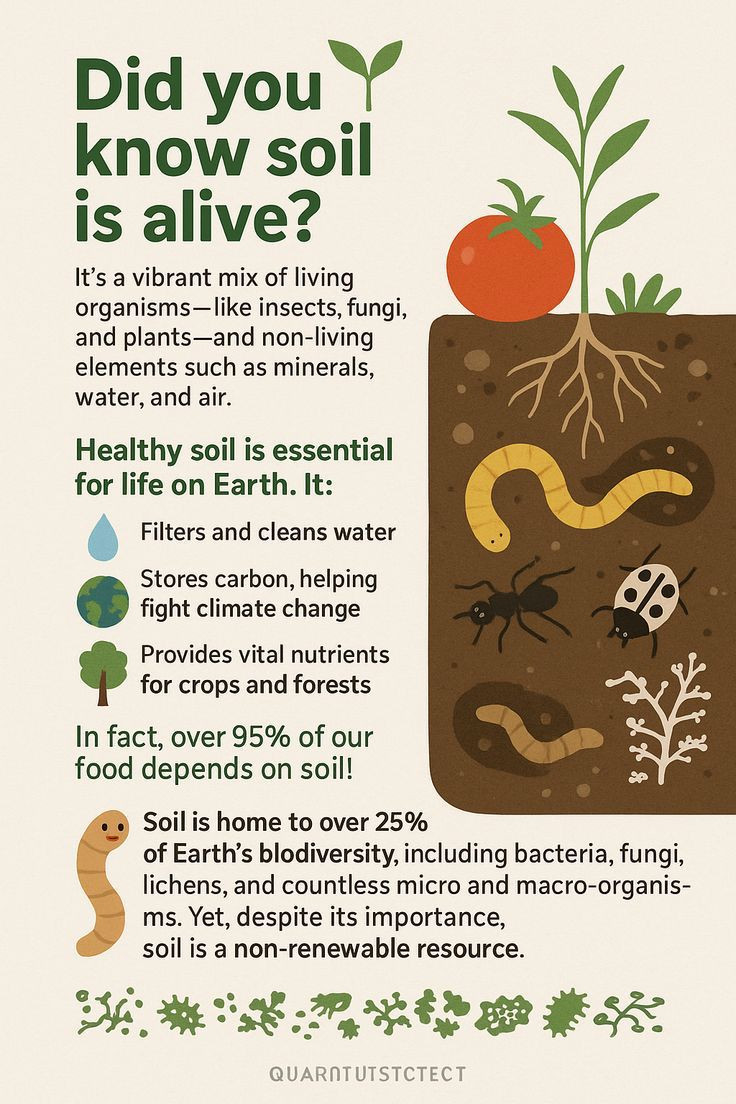
- Is the soil fertile and uncontaminated?
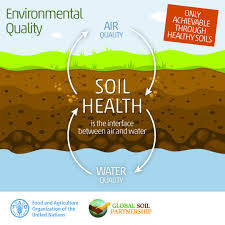
- Is the air safe to breathe daily?
- What risks exist now—and in the future?
LEARNING OBJECTIVES
In this unit you will:
- 🔬 Investigate environmental samples using scientific methods
- 📊 Collect, analyze, and interpret data (Math integration)
- 🌿 Explain ecological impact (Biology)
- ⚗️ Test chemical properties (Chemistry: pH, nitrates, pollutants)
- 🌬️ Understand physical parameters (Physics: particles, diffusion, air pressure)
- 💡 Develop solutions for environmental improvement
- 🤝 Collaborate in interdisciplinary teams
- 🗣️ Communicate findings using scientific argumentation
You will work in mixed expert teams (4–6 students):
- 🌊 Water Analysis Team
- 🌱 Soil Investigation Team
- 🌬️ Air Quality Team
- 📊 Data & Modeling Team
Each team has roles:
- Researcher
- Field technician
- Data analyst
- Presenter
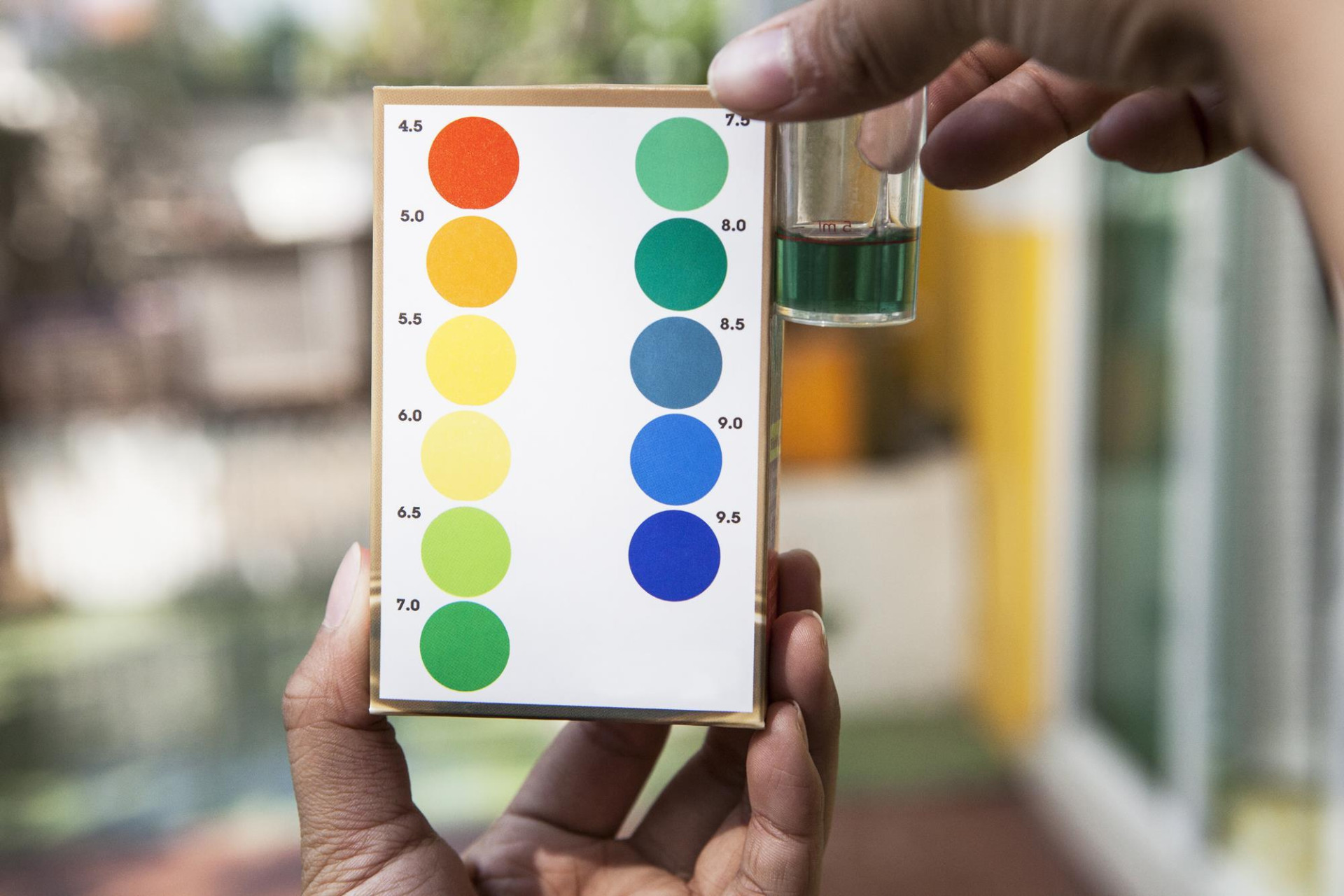
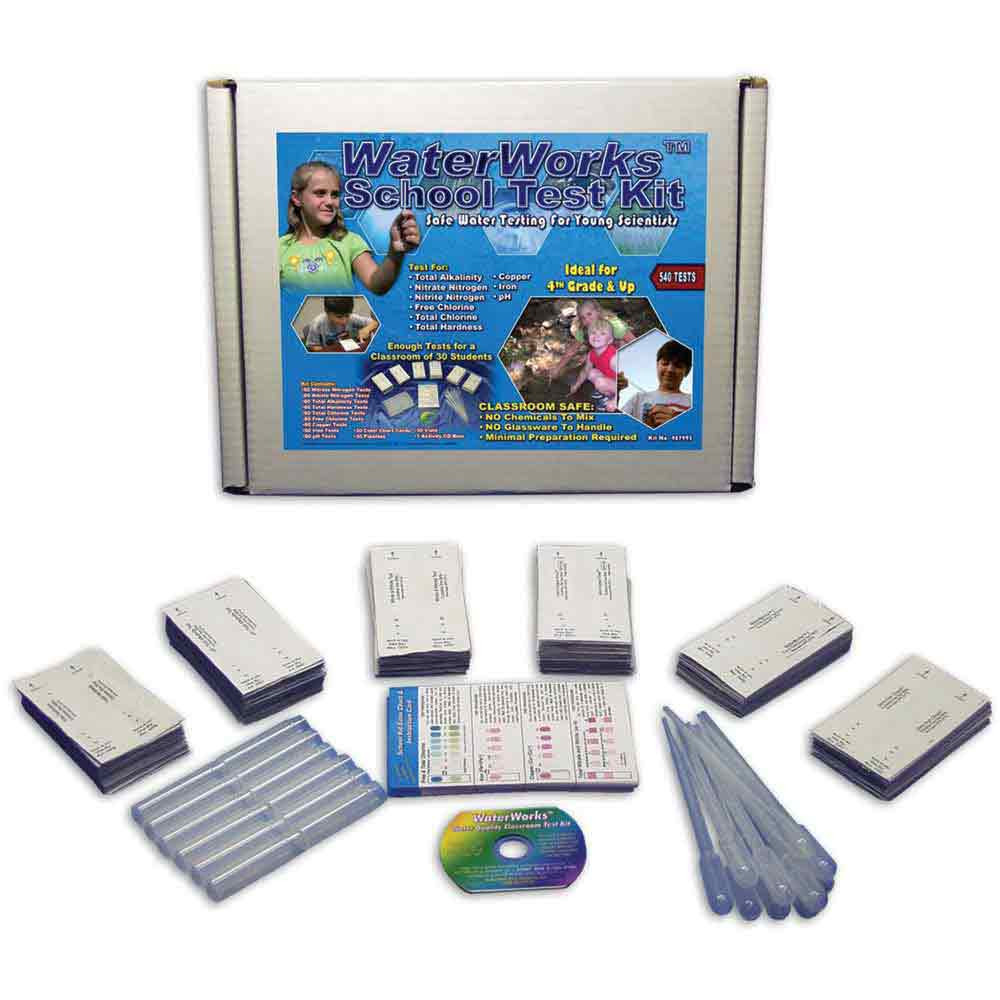
🌊 WATER ANALYSIS
Students test:
- pH level
- Turbidity (clarity)
- Temperature
- Presence of nitrates (simple kits)
- Observation of living organisms
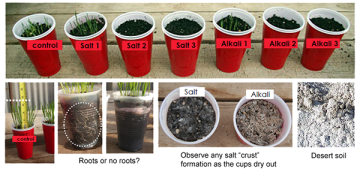
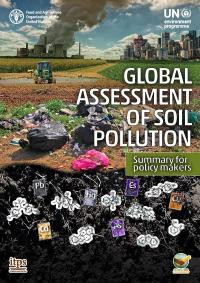
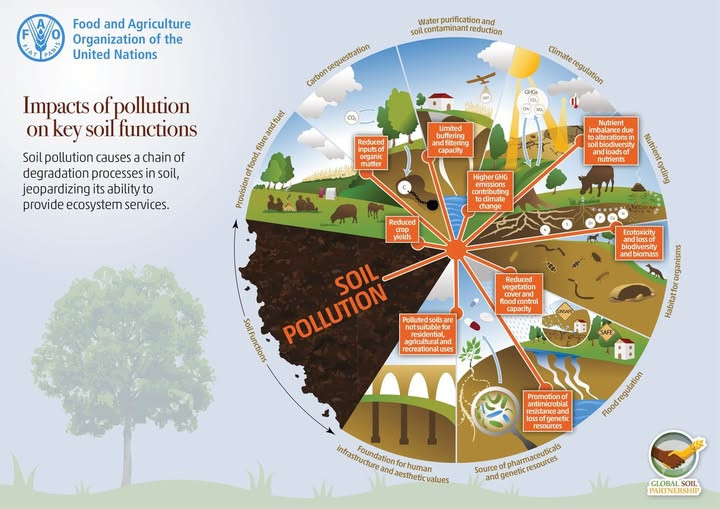
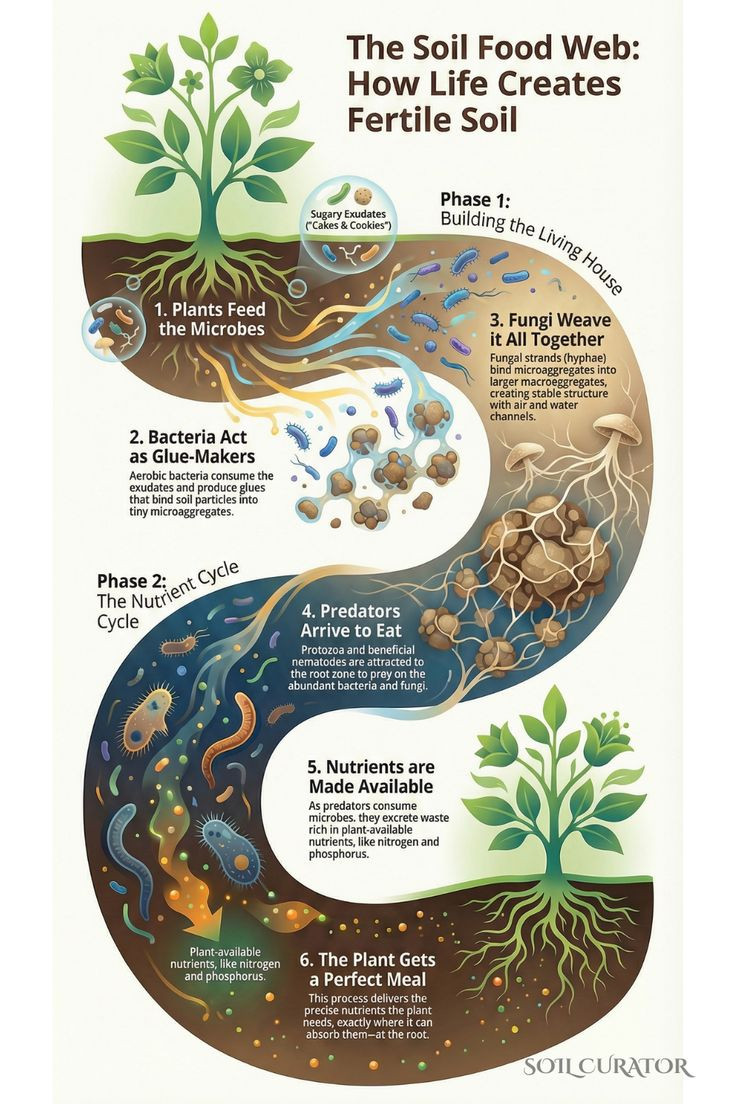
🌱 SOIL ANALYSIS
Students investigate:
- Soil texture (sand/clay/humus)
- pH level
- Moisture
- Plant growth potential
- Visible pollution
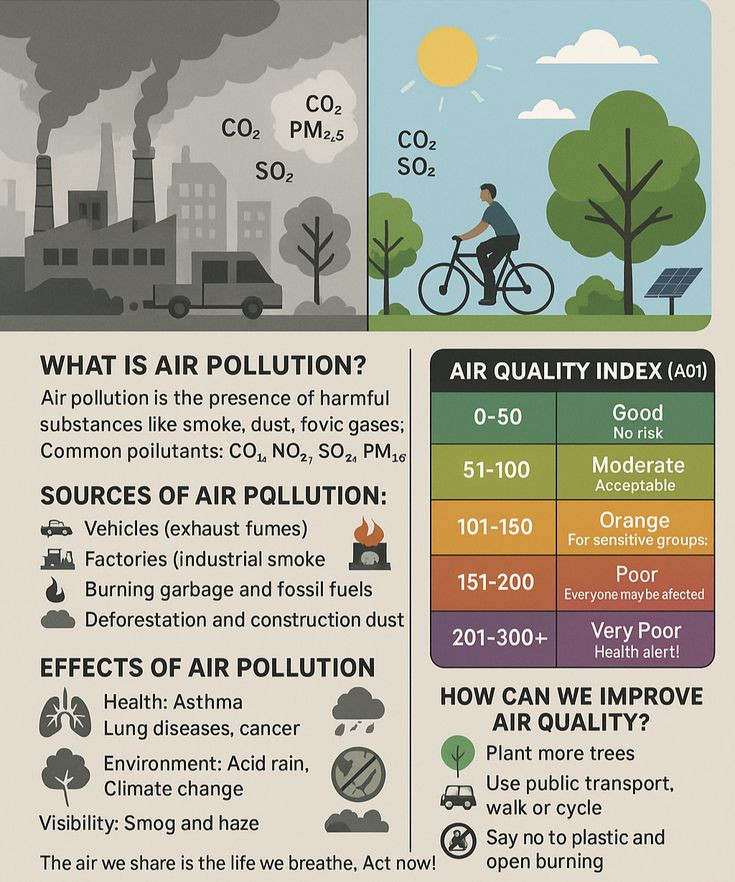
🌬️ AIR ANALYSIS
Students explore:
- Dust particles (using Vaseline cards)
- Observation of leaves/buildings
- Comparison urban vs rural
- Breathing comfort survey (data collection)
📊 DATA ANALYSIS (MATHEMATICS INTEGRATION)
Students:
- Create tables and graphs
- Calculate averages, percentages
- Compare results across locations
- Identify patterns and correlations
Examples:
- 📈 Water pH vs plant growth
- 📉 Air quality vs traffic density
- 📊 Soil type vs crop suitability
🔍 INQUIRY & CRITICAL THINKING
Students must:
- Form hypotheses
- Validate or reject them using evidence
- Identify sources of error
-
Ask deeper questions:
- “Why is water cleaner in one area?”
- “What human activity influences air quality?”
💡 INNOVATION & SOLUTION PHASE
Students design:
- 🌱 Eco-solutions (tree planting, waste reduction)
- 💧 Water filtration prototypes
- 🌬️ Awareness campaigns on air pollution
- 📱 Digital dashboards or posters
🎭 FINAL PRODUCT
Students present:
- 🧪 Scientific report / Poster
- 📊 Data visualizations / Graphs
- 🎤 Video / Oral presentation
- 🌍 “Environmental Health Verdict” Event
Final Statement:
"Based on the evidence you collected today, would you feel safe raising a family in this location 20 years from now? Prove why or why not."
Post your final product on Padlet.
🏆 EVALUATION RUBRIC
| Criteria | Indicators |
|---|---|
| Scientific accuracy | Correct methods & conclusions |
| Data analysis | Clear graphs, justified interpretation |
| Teamwork | Active collaboration |
| Creativity | Innovative solutions |
| Communication | Clear, structured presentation |
🎯 WHY THIS SCENARIO WORKS (PEDAGOGICAL VALUE)
✔ Inquiry-Based Learning (students ask & investigate)
✔ Experiential learning (real-world fieldwork)
✔ Interdisciplinary STEAM integration
✔ Strong alignment with competency-based curriculum
✔ Promotes Global Citizenship & sustainability (UNESCO values)
✔ High engagement: outdoor, hands-on, team-based