
WE ARE WHAT WE EAT - THE SCIENCE BEHIND OUR PLATE
Task 1
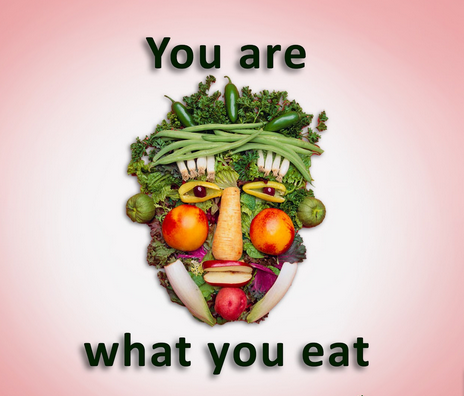
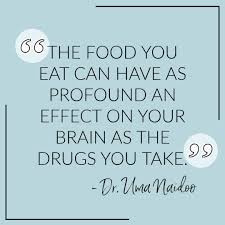
How do you understand this quote? Is there a connection between this quote and STEAM? Can science explain how food influences our bodies and lifestyles?
Task 2
Do you agree or disagree with these statements? Explain your choice.
Eating is about satisfying hunger, it has nothing to do with our body, its organs and cells.
Our dietary choices shape our physical health. Food influences our brain, emotions, and behavior.
When we choose how we nourish ourselves, those choices do not influence the kind of life we lead.
The food we consume has a direct impact on our health, energy, mood, and overall well-being.
Task 3
FOOD STEAM KAHOOT QUIZ
Dear students,
Let’s play a fun FOOD STEAM KAHOOT QUIZ! 🎉 Get ready to test your knowledge with cool trivia and surprising fun facts about science and the food we eat every day.
Think fast, guess smart, and discover how food and STEM are connected in ways you might not expect.
Task 4
Fun STEAM Food Facts
Work in teams. Study these fun facts. Which of them are the most amazing? Why?
Create your own list of 10 interesting fun facts about STEAM and food.
Use only official, verified and reputable sources to get your facts and trivia.
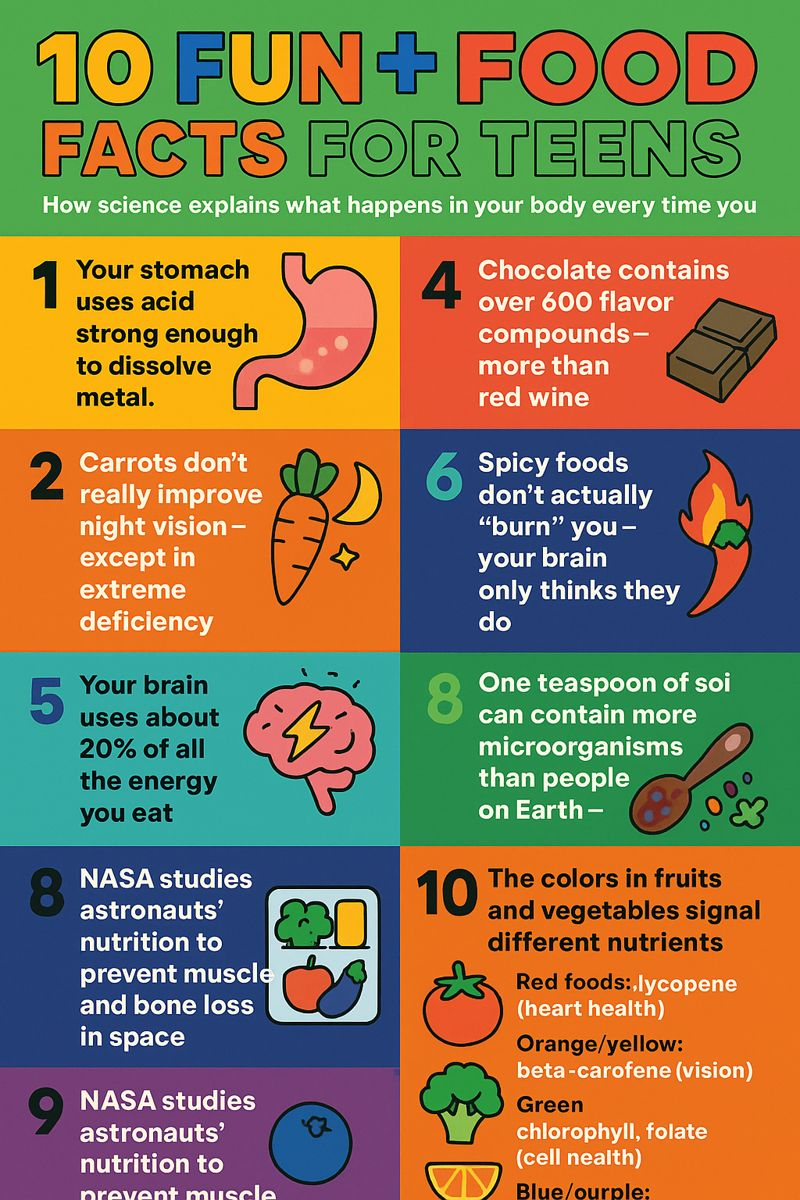
1. Your
stomach uses acid strong enough to dissolve metal.
Hydrochloric
acid (HCl) in the stomach has a pH of 1–2, powerful enough to break
down food, kill bacteria, and dissolve many metals.
2.
Carrots don’t really improve night vision—except in extreme deficiency.
Carrots
contain beta-carotene, which helps the body make Vitamin A, necessary for
low-light vision, but eating more carrots won’t turn you into a
superhero with night vision.
3. The
human body contains 39 trillion bacteria—many of them live in your gut and
“eat” with you.
Your
microbiome helps digest fiber, produce vitamins, regulate immunity, and even
influence mood.
4.
Chocolate contains over 600 flavor compounds—more than red wine.
Chemists
have identified hundreds of volatile molecules responsible for chocolate’s
aroma and taste.
5. Your
brain uses about 20% of all the energy you eat.
Although it
makes up only about 2% of body mass, the brain is the body’s most
energy-demanding organ.
6. Spicy
foods don’t actually “burn” you—your brain only thinks they do.
Capsaicin
activates the same receptors in your mouth that detect heat, tricking your
brain into feeling “fire.”
7. Blue
food is rare in nature because of pigment chemistry.
Most plants
cannot produce stable blue pigments, so scientists study them for potential use
in safer natural food dyes.
8. One
teaspoon of soil can contain more microorganisms than people on Earth—this is
why healthy soil = healthy food.
STEM fields
like microbiology and agronomy study soil microbes because they influence the
nutrients in plants we eat.
9. NASA
studies astronauts’ nutrition to prevent muscle and bone loss in space.
Foods rich
in calcium, vitamin D, protein, and potassium help counteract the effects of
microgravity.
10. The
colors in fruits and vegetables signal different nutrients.
Scientists
call this “nutrition by color.”
- Red foods: lycopene (heart
health)
- Orange/yellow: beta-carotene
(vision)
- Green: chlorophyll, folate (cell
health)
- Blue/purple: anthocyanins (brain
health)
11.
Eating beets can temporarily turn your pee pink or red — it’s called
“beeturia.”
This happens
because some people absorb and excrete natural plant pigments called betalains differently.
It’s harmless, but it shows how unique each person’s digestion and metabolism
are.
12.
Frozen fruits and vegetables can be more nutritious than fresh
ones.
Because they
are flash-frozen immediately after harvest, their vitamins (especially vitamin
C and folate) are often better preserved than in fresh produce that travels
long distances.
Task 5
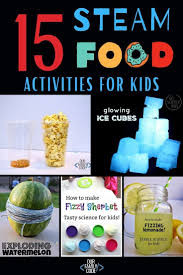
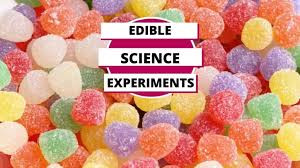
Now it’s time to work in teams and explore these exciting food-related experiments through hands-on investigation.
Choose one, two, three, or all four experiments and put your scientific curiosity to the test. As you work, record short videos showing your process, observations, and discoveries.
Upload your recordings to your Padlet and share your results with the group. Collaborate, experiment, and most importantly—enjoy learning through discovery.
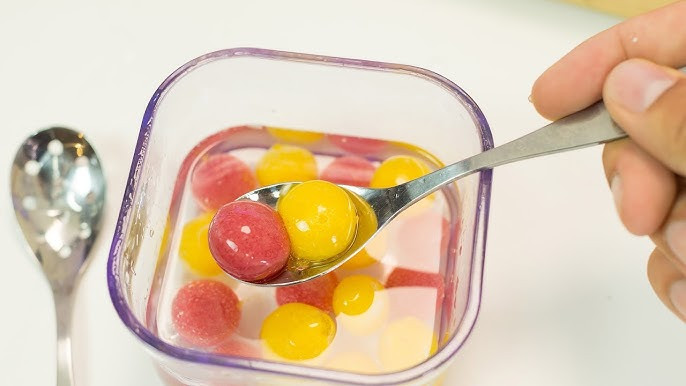
Make Popping Boba Balls Out of Your Drinks
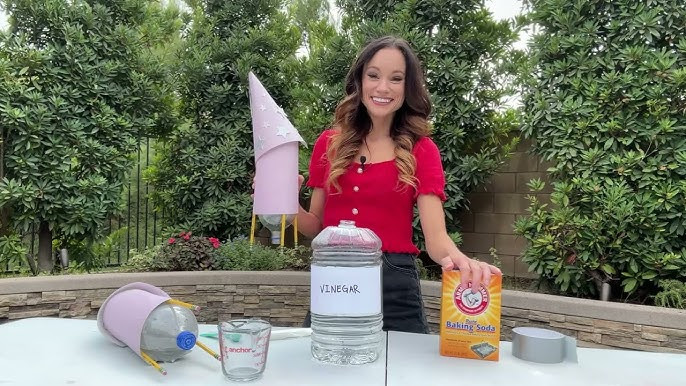
Baking Soda and Vinegar Rockets
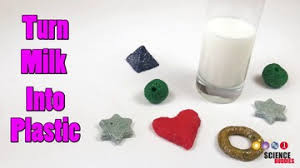
Turn Milk into Plastic!
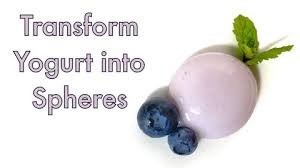
Make Yogurt Spheres Using Molecular Gastronomy
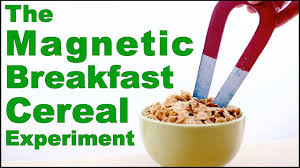
Mag-nificent Breakfast Cereal
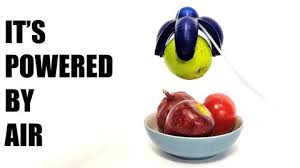
Squishy Robots: Build an Air-Powered Soft Robotic Gripper
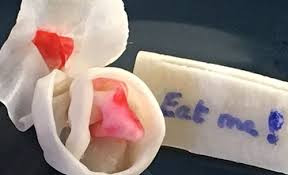
Making and Testing Edible Rice Paper
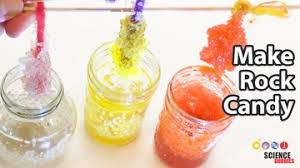
When Science is Sweet: Growing Rock Candy Crystals
Task 6
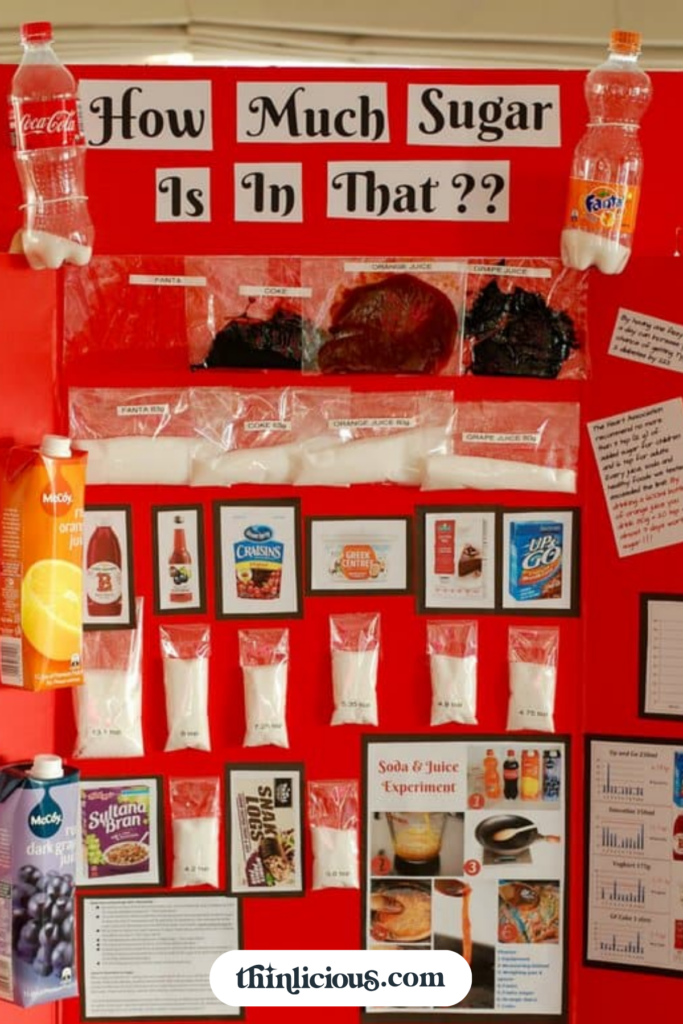
Get ready for a Sugar-Science Project
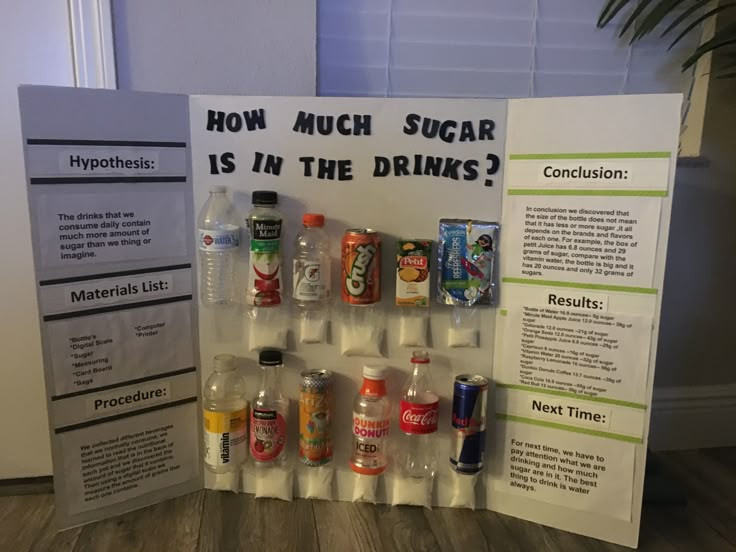
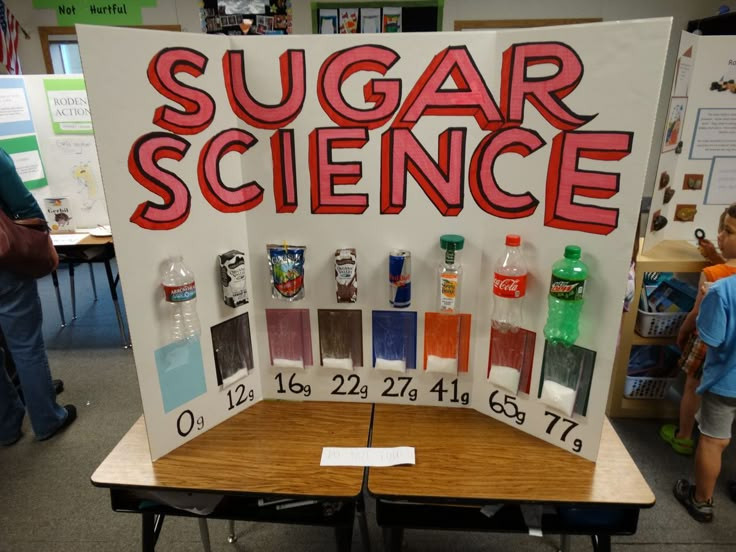
Work in teams. Find out how much sugar is actually in foods and drinks you eat or drink by comparing several items and displaying your results visually on a poster. Make your own conclusions about sugar content and health based on your data.
Create a colorful poster and present it to your colleagues. Film your presentation and post it on Padlet.
Experiment Materials
-
Several foods or drinks to test (e.g., soda, juice, energy drinks, sports drinks, chocolate milk, flavored tea, etc.).
-
Digital kitchen scale (accurate to grams).
-
Saucepan or small metal pan (heat-proof).
-
Stove or hotplate (with adult supervision).
-
Measuring jug/cup (for measuring equal volumes of liquids).
-
Labels or sticky notes (to name each sample).
-
Notebook and pencil (for recording data).
-
Poster paper or large cardboard (for the final display).
-
Markers, colored pencils, ruler (for poster design).
STEP 1
1. Choose Your Samples
Pick 3–5 different drinks/foods you want to
investigate.
Example: cola, fruit juice, flavored water, iced tea.
2. Record Initial Weights
a. Clean and dry the saucepan.
b. Weigh the empty saucepan on your digital scale and record this
weight.
c. Label this weight as “Empty Pan Weight.”
3. Prepare Your Sample
For liquids:
a. Measure the same volume (e.g., 300 ml) of each drink. Use the
measuring jug to be consistent.
b. Pour the measured liquid into the saucepan.
STEP 2
4. Heat and Evaporate
a. With adult supervision only, heat the pan on the
stove at medium heat.
b. Boil until all the water evaporates and only the sticky residue remains
(this is mostly sugar). You’ll know you’re done when no steam rises from the pan.
5. Cool the Pan
a. Turn off the heat and let the saucepan cool completely
(important for accurate weighing).
6. Weigh Again
a. Once cool, weigh the pan with the dried sugar residue
inside.
b. Record this as “Pan with Sugar Weight.”
7. Calculate Sugar Content
Use this simple equation:
Sugar (grams) = Pan with Sugar Weight – Empty Pan Weight
Record the sugar content for each sample.
STEP 3
Create Your Poster
1. Title Give your project a clear title, e.g.:
“How Much Sugar Is Really in Our Drinks?”
2. Hypothesis
Write what you think will happen before you start: Example: “I think fruit juice will have less sugar than cola.”
3. Data Table
|
Drink/Food |
Volume Tested |
Sugar Found (g) |
|
Cola |
300 ml |
45 g |
|
Juice |
300 ml |
38 g |
|
eTC. |
5. Visuals
Include bar graphs or pictures of your results. For
example, make sugar cubes or teaspoons drawings to show grams visually.
6. Conclusions - Write what you learned:
- Which
drink had the most sugar?
- Were
you surprised by the results?
- What
would you recommend to friends based on your experiment?