Module 2: MOBILE APPS FOR INTERACTIVE LEARNING
Task 1: Warm-Up – Exploring Learning Apps
Objective: Show students how mobile apps can teach languages, science, or other skills.
-
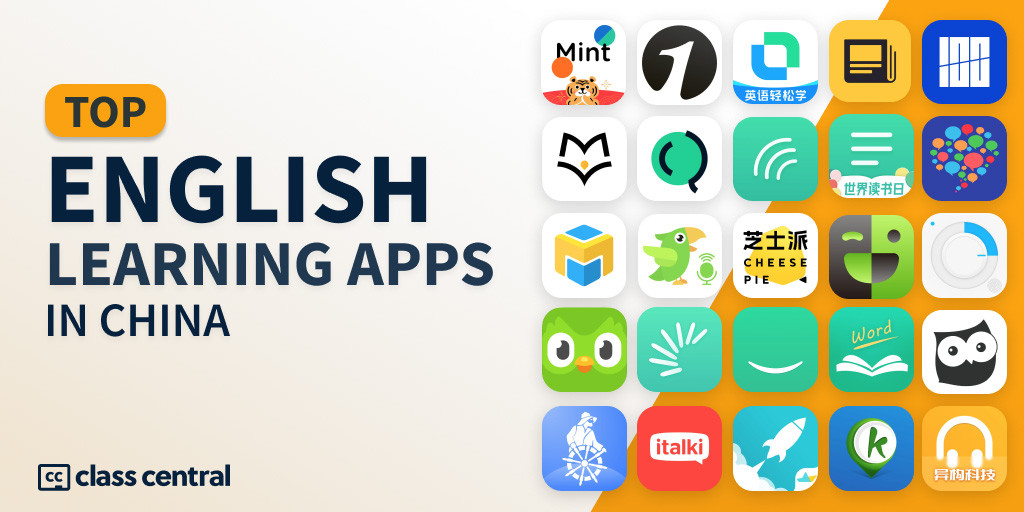
Quick poll: “Which apps do you use daily?” (Duolingo, Mentimeter, Educație Interactivă, Kahoot, Quizlet, Quizziz etc.).
-
Watch and discuss the video: The 10 Best Apps For Students (School Apps)
3. Fun facts: Share short trivia about Duolingo, Kahoot!, Quizlet, and other mobile apps for students. Ask your students to find out 10 more fun facts about various mobile apps used for learning.

DUOLINGO
Duolingo has over 130 million monthly active users.
Duolingo now offers more than 43 language courses, including less common ones like Navajo.
The green color of Duolingo’s owl mascot was chosen partly as a prank: one co-founder made it green because green was the other co-founder’s least favorite color.
Duolingo’s learning model uses gamification: points, streaks, badges, and “leagues” to keep learners motivated.
KAHOOT AND QUIZLET
Some studies show that combining Quizlet + Kahoot! supports more “active and interactive learning” than passive review alone.
Duolingo continues expanding: it recently added music and math courses to its language offerings.
FUN FACTS
Duolingo is now experimenting with chess lessons as a new subject, bringing its gamified style to strategic thinking.
Duolingo once “killed” its mascot Duo as a marketing stunt: the mascot’s “death” was announced to spur user engagement.
In Duolingo lore, Duo (the owl) once had a “celebrity crush” on Dua Lipa, and that has been used humorously in social campaigns.
Duolingo’s apps have been named the “iPhone App of the Year” and topped download charts in education.
WHY WE LOVE THESE APPS
The competitive “leagues” in Duolingo group users into tiers (Bronze, Silver, Gold, etc.) to foster peer competition.
Many of these apps use an adaptive learning algorithm — the system adjusts questions and difficulty based on how the student performs.
These mobile apps let students learn anytime, anywhere — making microlearning (short bursts of learning) a common and effective habit.
Task 2: TRUE or FALSE?
- Ask your students to work in teams, read these fun facts and decide if these facts are true or false.
- Then, let them Google and confirm their answers.
- Which team had the most correct answers?
History & Growth
Before the iPhone: The very first place to buy phone apps was not the Apple App Store! It was called the Nokia Software Market in 2006. The App Store we use today started later, in 2008.
WhatsApp's Simple Start: The WhatsApp app began in 2009 with a very easy idea: it only helped people show their friends their current "status" (like, "I'm busy" or "What's up?"). Later, it became a huge way to send messages all over the world!
So Many Apps! Imagine a giant library just for phone apps. There are so many! The Android store has about 3 million apps. If you look at the Apple store, it has almost 2 million apps! You could never download them all.
The First Text Message: Sending a text message (SMS) is older than the internet on your phone! The very first text message was sent way back in 1992. The message was simple: "Merry Christmas." 🎄
Instagram's Big Deal: In 2012, the photo app Instagram was bought by Facebook for a huge amount of money—one billion dollars! But guess what? At that time, Instagram had only 13 people working there. That's a lot of money for a small team!

Big Numbers & Curious Stories
So Many Downloads! People have downloaded the Facebook app about 4.6 billion times! That's almost 5 billion times over 10 years! That's a huge number of phones with the app.
Apps Make Big Money! Mobile apps make a lot of money—hundreds of billions of dollars every year all over the world. That's more than enough money to buy every toy store!
The App That Started the Fun: The very first app that showed people would pay money for games on their phones was Angry Birds (from 2009). The simple game with flying birds was the original "Killer App" for fun!
The Downloading King: For a long time, the apps Facebook, WhatsApp, and Instagram were downloaded the most. But now, the TikTok app is downloaded more than any other non-game app in the world.
Why Apps Use Blue: Look at most apps—many of them use the color blue (like Facebook or X/Twitter). Designers use blue because it makes people feel safe, calm, and helps them trust the app when they share information.

STEM & Behind-the-Scenes
Apps Lose Friends Fast: It's a big problem for app makers! Studies show that about 7 out of 10 people who download a new app stop using it after only the first week. It's hard to keep users!
Smart Apps Use Smart Math: Many apps on your phone are now super smart because they use a special kind of math called Deep Learning (a type of AI). One study checked over 16,000 Android apps to see how they use this smart math!
Phone vs. Moon Rocket: Your small smartphone is incredibly strong! It has hundreds of thousands of times more computer power than the huge computer that helped the astronauts land on the Moon in 1969! 🤯
The AI is Always Working: When you use apps like Instagram or TikTok, the app spends most of its energy running AI (Artificial Intelligence). The AI works hard to guess what you want to see next or what product you want to buy, which takes more power than just showing the pictures on the screen!
.
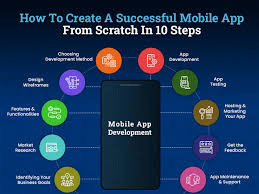
Task 3: How Mobile Apps Are Built
Objective: Understand the basics of app design.
-
Watch the video and discuss it.
Before any code is written, what is the first major step in creating a mobile app, and what does it involve?
-
How do app designers help developers save time and money during the development process?
-
What are the main programming languages used for native app development on Android and iOS?
-
What is the advantage of using cross-platform frameworks like React Native or Flutter when building mobile apps?
-
Once an app is finished, what are the two main app stores where developers can publish their apps for users to download?
-
Why does the video say that launching an app is “only the beginning” of the process, and what must developers focus on next?
Task 4: Create your own mobile app prototype
1. Students, in groups, design a prototype of a new learning app
2. Choose a subject the app will be used for (math, art, history, sports).
3. Give it a fun name. Decide what the app will do to help students learn in an interactive, fun way.
4. Make a presentation about your new app prototype - could be a poster, a PPT, a digital version, etc. Present your prototype to other teams.
5. Record your presentation with your phone. Create a video using CapCut and post your video on Padlet.