MODULE # 1 What is storytelling?
Activity 1
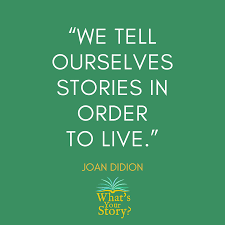
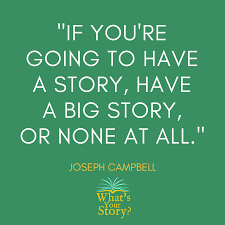
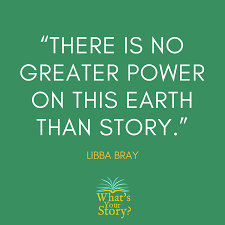
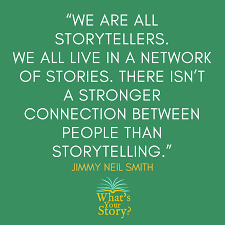
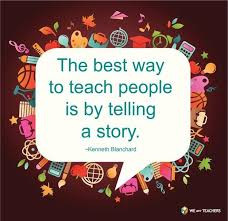
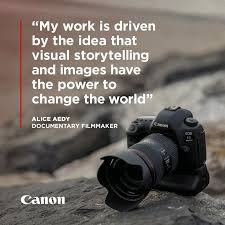
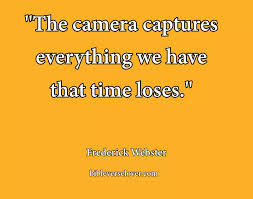
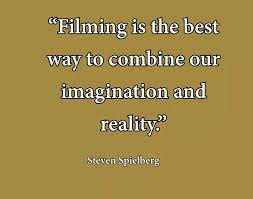
Which of these quotes do you like? Why? How would you explain it in your own words?
Activity 2
Work in teams. Answer these questions related to fun facts and trivia. Which team got the best results?

ACTIVITY 3
DISCUSS THESE FUN FACTS WITH YOUR COLLEAGUES. WHAT DO YOU THINK OF THEM? WHAT OTHER FUN FACTS ABOUT VIDEO STORYTELLING DO YOU KNOW?
In the United Kingdom, several studies have shown that when we listen to stories told by others, the human brain produces oxytocin—a substance obtained through chemical synthesis that is part of the category of hormones responsible for feelings of love, affection, and empathy. This means that when we share something interesting about ourselves, we can create a positive emotional connection with the listener.
Cinderella is one of the most popular storytelling structures in the world. There are thousands of Cinderella versions found in various cultures. Anna Rooth wrote an entire book on this subject—“The Cinderella Cycle.” The oldest written version, Ye Xian, comes from China, having been published in the year 860. Ye Xian is kind and hardworking, constantly helped by the spirit of her deceased mother, who visits her in the form of a fish.
79% of consumers prefer watching video content rather than reading text-based descriptions.
Various studies show that if we insert a video into an email, in addition to a text description, the open/click-through rate increases by 200–300%.
Social videos are viewed 1,200% more often than traditional ads composed of text and images.
The most viewed video of all time on YouTube is “Baby Shark”, with 11,356,868,473 views!
The most expensive commercial video of all time is the Chanel ad featuring actress Nicole Kidman, created in 2004—it cost $33 million!
Nastya is the highest-paid child vlogger. After immigrating to the USA from Russia with her parents, Nastya managed to gain 87.5 million loyal followers and earns hundreds of thousands of dollars per month.
YouTube is the second most visited website on the planet, after Google. Around 1.8 billion users access it daily. About 37% of mobile phone traffic is related to accessing YouTube.
TikTok is the most popular mobile app in the world. 70% of teenagers have a TikTok account. The second most active age group is 20–29.
The most active countries on TikTok are the USA, the UK, and France.
More than half of Instagram users create daily stories, with around 500 million stories posted per day.
Cristiano Ronaldo is the wealthiest Instagram user. His earnings reach $1 million per year.
Walt Disney Animation Studios holds a total of 33 Oscar Awards for the quality of its animated films over time, including Snow White and the Seven Dwarfs, Pinocchio, The Lion King, The Little Mermaid, Tarzan, Ratatouille, and many others.
ACTIVITY 4
Video storytelling is a communication technique that combines two key components: that of a writer who skillfully uses linguistic content to persuade the audience, and that of a digital content creator, who possesses the technical skills needed to translate the linguistic message into video form, using graphic elements, audio, interactive components, and more.
Just like persuasive writing, video storytelling aims to engage the audience through psychological marketing strategies that guide them toward a specific state, emotion, thought, or action.
A story has the power to inspire, to move, and to convince people to change.

Watch the short videos below, choose the one that impressed you the most, and answer the following 7 key questions:
-
Who is the PROTAGONIST?
Is it a fictional character or a real person?
What is their story, and why do we relate to what he or she is saying?
What can we learn from them? -
What is the PLOT or the HOOK that captures our attention—like a virtual fishing rod—and keeps us engaged throughout the entire video?
-
What makes this story INTERESTING?
Predictable videos are boring, so the narrative needs to surprise us, intrigue us, or amaze us. -
What is the CONFLICT?
What makes us reflect, draw conclusions, feel surprised, laugh, feel sad, or even horrified? -
How are audio, video, and text elements used to DELIVER the message?
How do we balance these elements so the final product isn’t overwhelming?
How do we ensure there’s enough text, audio, or video without forgetting essential details? -
How is the CLIMAX presented?
How will that moment be structured—the one where everything comes together, and key elements blend harmoniously into a moment of maximum intensity? -
Is the MESSAGE clear to the audience?
Did we manage to create an emotional connection with them?
Did we provide enough arguments to persuade them?